
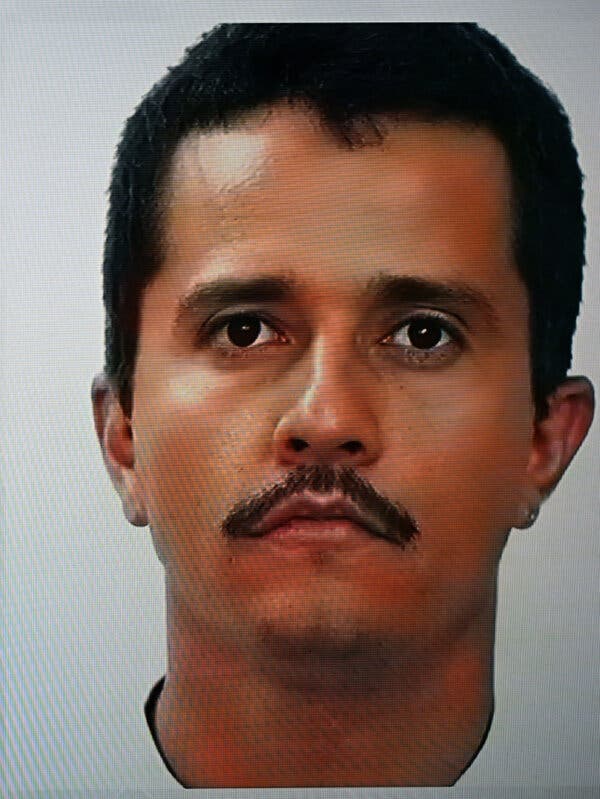
El Mencho, whose real name was Nemesio Rubén Oseguera Cervantes, was one of Mexico’s most feared drug lords. He was born on July 17, 1966, in Aguililla, Michoacán. Over time, he became the founder and leader of the Jalisco New Generation Cartel (CJNG), a cartel known for violence and large-scale drug trafficking. He was often compared to Joaquín Guzmán Loera (El Chapo) because of his power and reach.
El Mencho Profile
| Name | El Mencho |
| Real Name | Nemesio Rubén Oseguera Cervantes |
| Date of Birth | 17 July 1966 |
| Date of Death | 22 February 2026 (60 years) |
| Nationality | Mexican |
| Occupation | Drug Lord |
| Religion | N/A |
| Marital Status | Married |
| Net Worth | $5 Billion |
| Copied from | contents101.com |
Educational Background
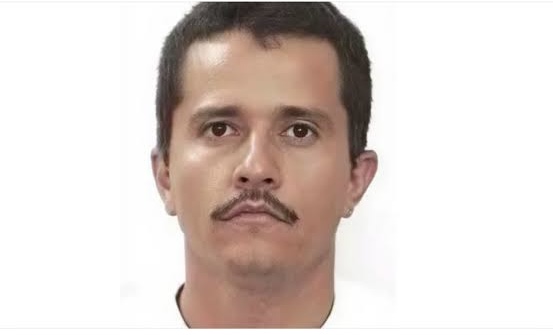
El Mencho dropped out of school in sixth grade. He grew up in a poor farming family that worked mainly in avocado farming. He had no formal higher education.
Career
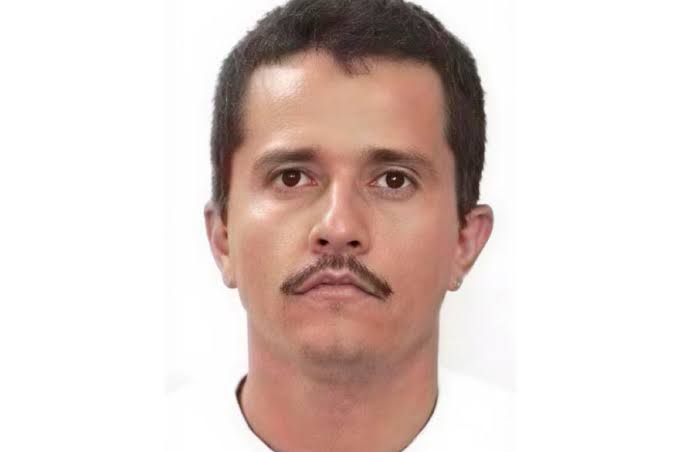
As a teenager, El Mencho illegally entered the United States several times. While living near San Francisco, he tried to start a drug business. He was arrested after attempting to sell heroin to undercover police officers and spent over four years in a U.S. prison before being deported to Mexico.
Back in Mexico, he joined criminal groups and later helped form the CJNG in 2009. Under his leadership, the cartel became one of the most powerful in the country, trafficking cocaine, heroin, methamphetamine, and fentanyl into the U.S.
U.S. authorities accused him of running large drug routes and ordering attacks on security forces and government officials.
Controversies
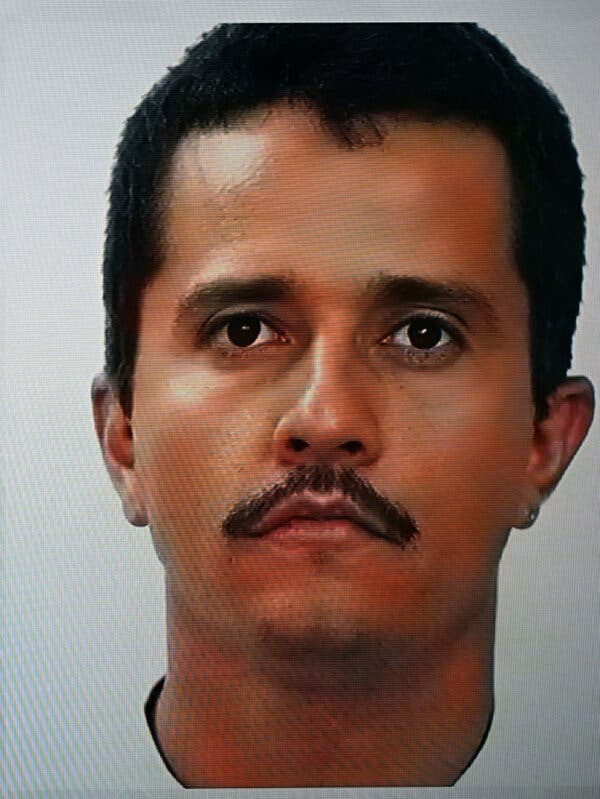
Throughout his criminal career, El Mencho was surrounded by deep controversy and fear. He was widely blamed for turning violence into a weapon of control, ordering attacks on police stations, military convoys, and government officials across Mexico. His cartel was known for responding to arrests or raids with roadblocks, arson, and coordinated assaults that shut down entire cities.
One of the biggest controversies linked to El Mencho was his alleged role in flooding the United States with fentanyl, a synthetic opioid responsible for tens of thousands of overdose deaths. U.S. authorities accused him of knowingly producing and exporting the drug, despite its deadly impact.
He was also accused of corruption, with claims that his organization bribed or intimidated local officials to protect cartel operations. Human rights groups repeatedly criticized the extreme brutality associated with the Jalisco New Generation Cartel, including mass killings and forced disappearances.
Even in death, El Mencho remained controversial. The violent nationwide backlash that followed his killing raised serious questions about whether removing one cartel leader truly weakens organized crime, or simply sparks more bloodshed.
El Mencho Social Media Handle
El Mencho did not have verified social media accounts. Any online pages using his name were run by supporters or impersonators.
Personal Life
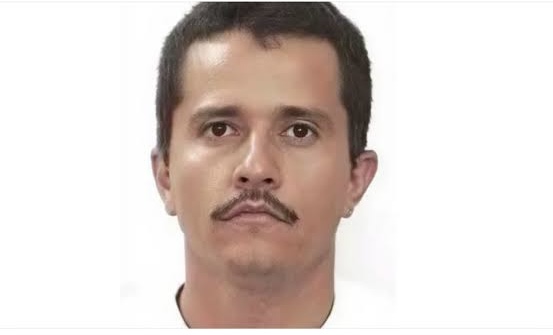
El Mencho kept his private life secret. He reportedly had multiple partners and children. He was known to enjoy cockfighting, which earned him the nickname Lord of the Roosters.
El Mencho Net Worth
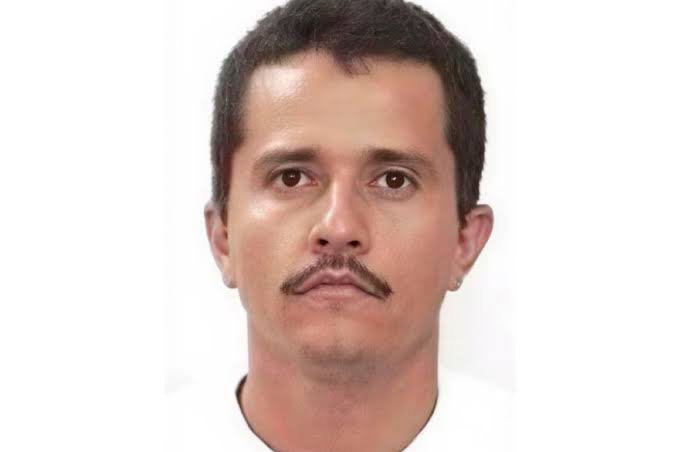
El Mencho’s net worth was estimated to be around $5 billion during his life.
Death
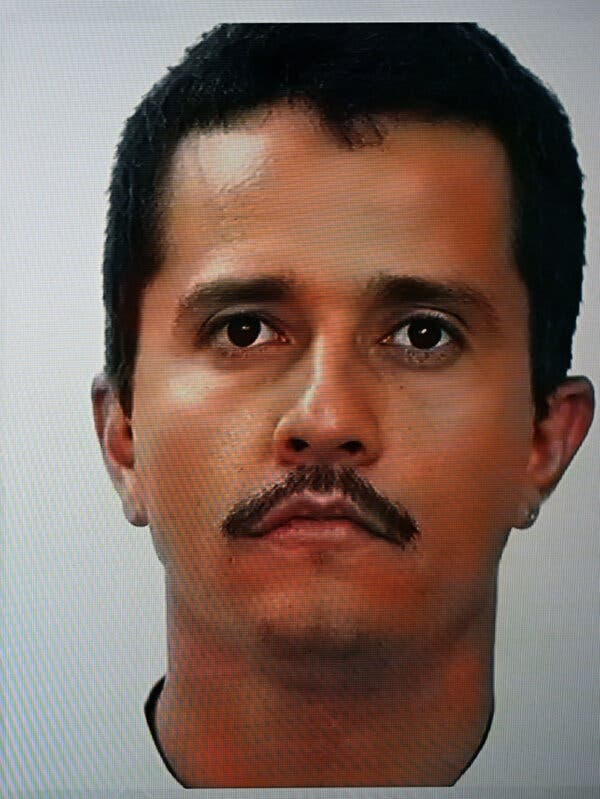
El Mencho met his end on Sunday, February 22, 2026, after years of hiding from authorities. Mexican special forces finally tracked him to a quiet, upscale area in Tapalpa, Jalisco, where he was staying in a lodge hidden in the hills. The operation followed weeks of surveillance and was carried out in the early hours of the day.
When soldiers moved in, El Mencho tried to escape with two bodyguards. A heavy gun battle followed, lasting several hours and spreading fear across nearby towns. During the exchange of gunfire, he was seriously wounded. Authorities later confirmed that he died while being transported by helicopter for medical treatment.
Mexican officials said the mission was supported by intelligence from the United States, marking one of the most significant joint efforts against drug trafficking in recent years. His death was later confirmed by Mexico’s defense ministry, bringing an end to the reign of one of the country’s most powerful and feared cartel leaders.