
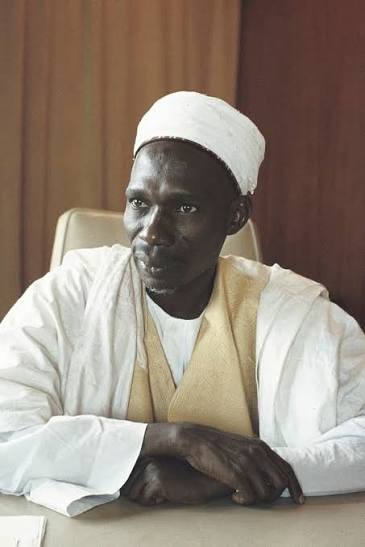
Abubakar Tafawa Balewa was born in December 1912 in Tafawa Balewa village in present-day Bauchi State, Nigeria. He was a teacher before he became a politician. He later became Nigeria’s first and only Prime Minister. He led the country from 1957 before independence and continued in office after Nigeria became independent in 1960. He was known for his calm nature, powerful speeches, and strong belief in unity. He was killed during Nigeria’s first military coup on January 15, 1966.
Abubakar Tafawa Balewa Profile
| Name | Tafawa Balewa |
| Real Name | Abubakar Tafawa Balewa |
| Date of Birth | December 1912 |
| Date of Death | 15 January 1966 (54 years) |
| State of Origin | Bauchi State |
| Tribe | Hausa |
| Nationality | Nigerian |
| Occupation | Politician |
| Religion | Islam |
| Marital Status | Married |
| Net Worth | $500,000 |
| Copied from | contents101.com |
Educational Background
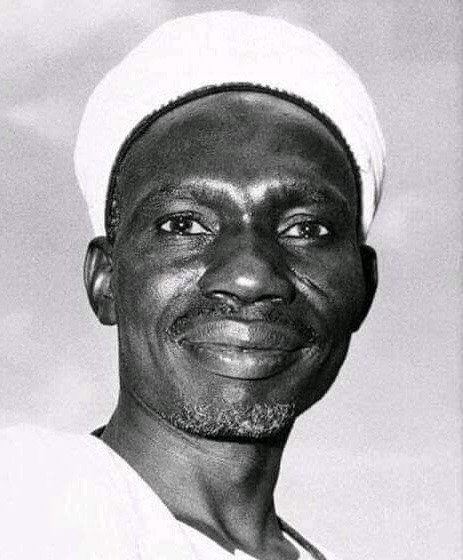
Balewa started his early education in a Qur’anic school in Bauchi. He later attended Bauchi Provincial School. After that, he went to Katsina Higher College (now Barewa College), where he trained as a teacher and graduated in 1933. In 1945, he travelled to the United Kingdom to study at the University of London Institute of Education, where he earned a teacher’s certificate. This was his highest formal qualification.
Career
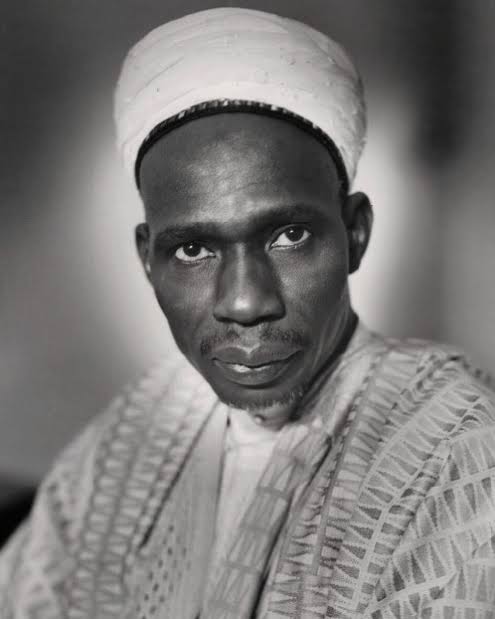
Balewa worked as a teacher and later became a headmaster. He also served as an inspector of schools under the Bauchi Native Authority. His background in education shaped his calm and disciplined leadership style.
He entered politics in 1946 when he was elected into the Northern House of Assembly. In 1947, he joined the Legislative Council. He worked closely with Ahmadu Bello and became a key member of the Northern People’s Congress (NPC).
In 1952, he became Minister of Works, and later Minister of Transport in 1954. In 1957, he was appointed Prime Minister. He formed a coalition government with Nnamdi Azikiwe and also worked politically alongside Obafemi Awolowo during the independence period.
Balewa played a major role in negotiating Nigeria’s independence from Britain. On October 1, 1960, Nigeria became independent, and he remained Prime Minister. He helped shape Nigeria’s foreign policy. He strongly opposed apartheid in South Africa and supported African unity. He was one of the leaders involved in forming the Organization of African Unity in 1963.
Balewa wrote a novella titled Shaihu Umar in 1934. The book talks about family life, Islamic faith, and the trans-Saharan slave trade. It is still remembered as an important early Nigerian literary work.
Controversies
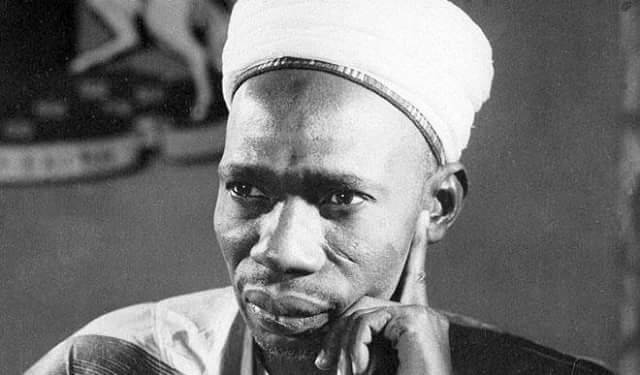
Balewa’s government faced political tension, regional rivalry, and election disputes, especially during the 1964 general elections. Some critics believed his government favored the Northern region. His strong pro-Western foreign policy and rejection of communist influence also drew criticism from some groups. The political crisis eventually led to the military coup of January 15, 1966, during which he was assassinated.
Personal Life
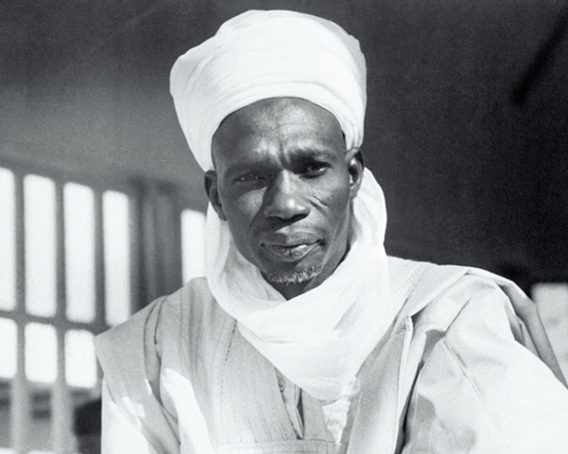
Balewa was a quiet and modest man. He was known for living a simple life and was not seen as corrupt. He married four wives and had 19 children. He believed strongly in unity and once said Nigeria could succeed if its people saw themselves as one nation.
Abubakar Tafawa Balewa Net Worth
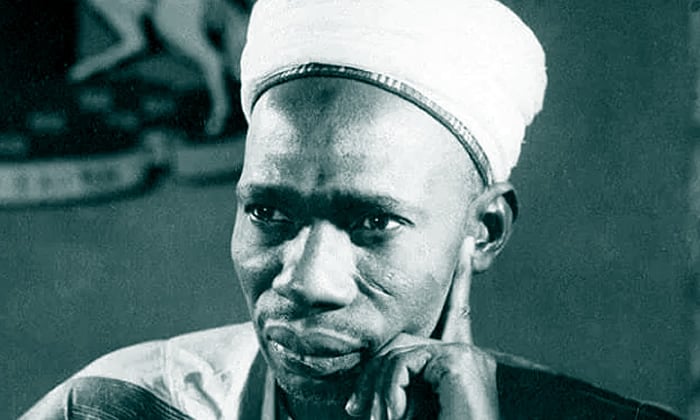
Abubakar Tafawa Balewa’s net worth was estimated to be around $500,000 during his lifetime.
Death
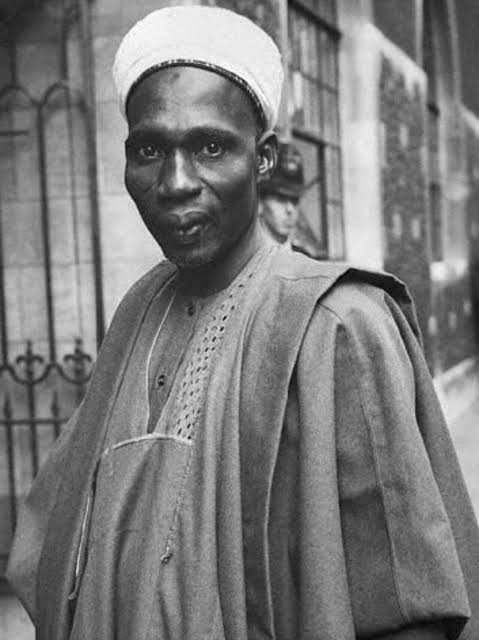
Abubakar Tafawa Balewa was killed during Nigeria’s first military coup on January 15, 1966. In the early hours of that day, a group of young military officers carried out a coup against the civilian government.
Balewa was taken from his official residence in Lagos. For several days, Nigerians did not know where he was. His body was later found by the roadside near Lagos about six days after the coup. He was buried in Bauchi, his home state.
His death shocked the country. It marked the end of Nigeria’s First Republic and the beginning of military rule. Many other top political leaders were also killed during that coup. Even today, his assassination remains one of the most painful moments in Nigeria’s political history.