

Yekini Kolawole Ajao, widely known as Professor Y.K. Ajao, was one of Nigeria’s most beloved and enduring Juju musicians. Born in 1953 in Iseyin, Oyo State, he is widely credited as the creator of Juju Makossa, a distinctive musical fusion that set him apart from his generation of Juju artists and earned him a loyal following across decades. Professor Y.K. Ajao passed away on April 18, 2026.
Yekini Kolawole Profile
| Name | Professor Y.K. Ajao |
| Real Name | Yekini Kolawole Ajao |
| Date of Birth | 1953 |
| Date of Death | 18 April 2026 (73 years) |
| State of Origin | Oyo State |
| Tribe | Yoruba |
| Nationality | Nigerian |
| Occupation | Musician |
| Religion | Islam |
| Marital Status | Married |
| Net Worth | $200,000 |
| Copied from | contents101.com |
Educational Background
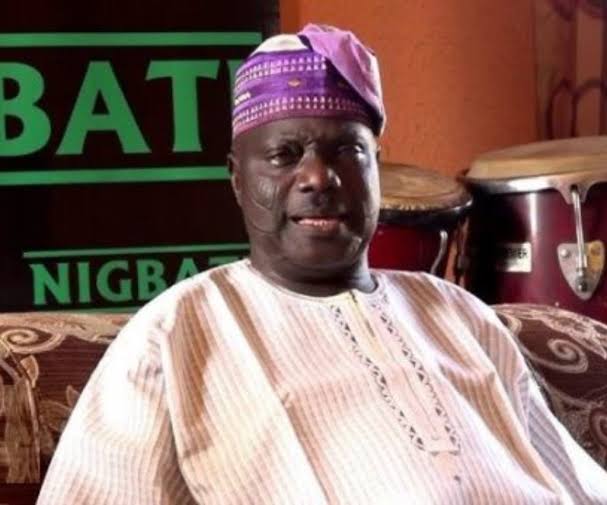
Details about Yekini Kolawole Ajao’s formal academic education were not widely documented in public records. He is believed to have completed his early schooling in Iseyin, Oyo State, before leaving home as a young man to pursue music full-time.
Career
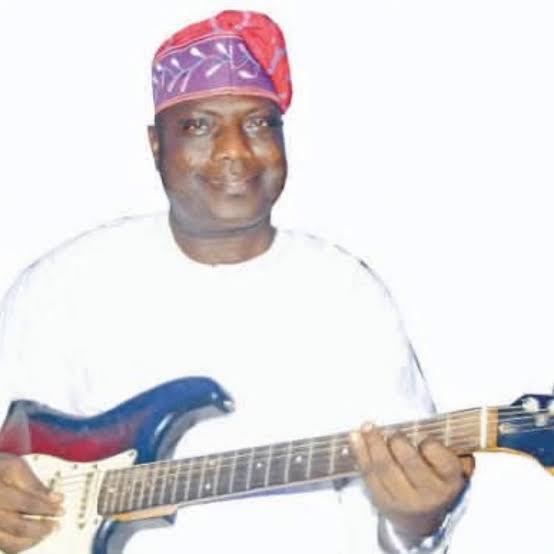
After arriving in Lagos in 1971, Ajao joined a band led by Captain R. Ade, where he gained professional experience and sharpened his craft. By December 1973, he had broken out on his own, forming the Y.K. Ajao & His Professional Brothers Band, the group that would carry his name and sound for decades to come. In 1974, at the Weekend Bar Beach Show on NTA Lagos, an event coordinated by the late music impresario Art Alade, Ajao delivered a performance that stunned the audience.
Alade, reportedly moved by the crowd’s extraordinary response, announced him on television as a professor of music. The title Professor stuck and became a permanent part of his identity, one he wore with unmistakable pride for the rest of his life. Also in the 1970s, King Sunny Ade crowned him National Juju King at a Cokeson promotion event in Lagos, a recognition from the undisputed elder of the genre that further cemented his status in the music world.
His career had its peaks and valleys. After going professional in 1973, he experienced a brief decline in patronage between 1974 and 1975, before his fame began to grow exponentially from 1976. A second difficult period hit between 1981 and 1982, when invitations dried up. But Ajao proved resilient, reinventing himself and returning stronger each time. His most defining creative leap came during a tour stop in Yaoundé, Cameroon, where he encountered Makossa, the driving, danceable Cameroonian music genre associated with artists like Manu Dibango.
Inspired by that encounter, Ajao fused Makossa with his Juju foundation, giving birth to the sound he called Juju Makossa. His landmark album Makossa Series 1, along with earlier releases like Akoni Mamu, Gege, and Oro NEPA, became staples of the Yoruba party circuit. He also sought the mentorship of Chief Commander Ebenezer Obey in 1976, whose influence remained discernible in his playing style throughout his career.
His son, Abdulateef Owolabi Ajao, known as Makosa 2, has been performing since 2002 and carries on his father’s musical legacy. Ajao was known to step aside during performances to allow his son to take the stage, and he spoke with tremendous pride about the audiences that greeted his son’s sets.
Controversies

Professor Y.K. Ajao largely maintained a respected reputation throughout his long career and was not known for major scandals or legal disputes. However, like many veteran musicians, he occasionally spoke about challenges within the Nigerian music industry, including lack of proper recognition for pioneers and the financial struggles older artistes faced after their peak years.
There were also periodic debates among Juju music fans regarding his self-styled titles such as Professor and National Juju King, though these were mostly seen as part of showmanship and stage branding rather than serious controversy. His recognition by senior figures like King Sunny Ade gave legitimacy to those titles in the eyes of many supporters.
Some traditionalists within the Juju scene also debated his fusion of Makossa rhythms into Juju music, with purists preferring the classic sound. However, many others praised him for innovation and credited him with expanding the genre’s appeal.
Personal Life
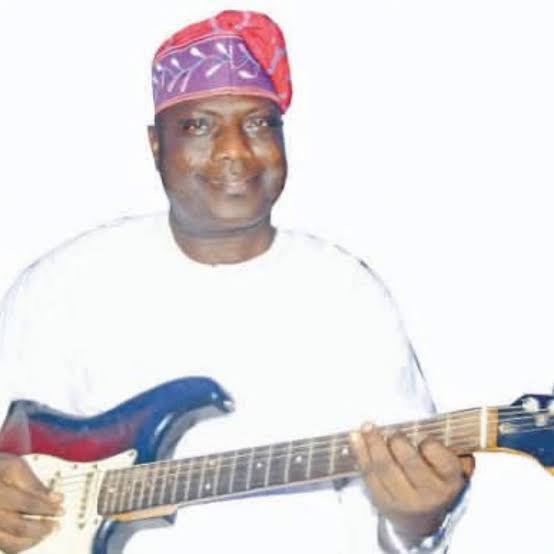
Yekini Kolawole Ajao was born in Iseyin, a historic town in Oyo State. He was born Yekini Ajeigbe, and grew up in a household where his passion for music was not immediately welcomed. He eventually left home without his father’s blessing to pursue music, relocating first to Ibadan and then to Lagos.
It was this break from family expectations that led him to adopt a new stage surname, becoming Y.K. Ajao rather than Ajeigbe, a decision his father would later come to accept. According to Ajao himself, the turning point in the family reconciliation came in 1978, when his father saw the enormous crowd that gathered to see him off at the airport before a trip to the United Kingdom. The size of the crowd told his father everything he needed to know about his son’s stature in the music world.
He was a Muslim and a polygamist who lived in the Ikorodu area of Lagos. He was candid about his personal life in interviews, once humorously noting that while he had multiple wives, he could not live with two women under the same roof, a quip that endeared him to fans. He was devoted to his family and particularly proud of his son Abdulateef Owolabi Ajao, who he groomed to continue the musical legacy he built.
Professor Y.K. Ajao Net Worth
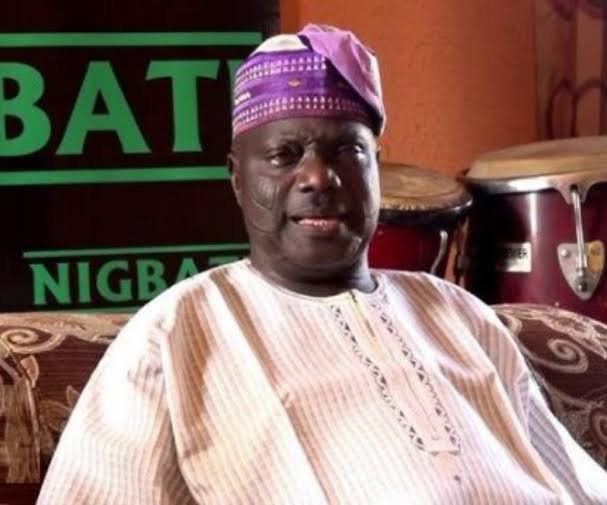
Professor Y.K. Ajao’s net worth was estimated to be around $200,000 during his lifetime.
Death
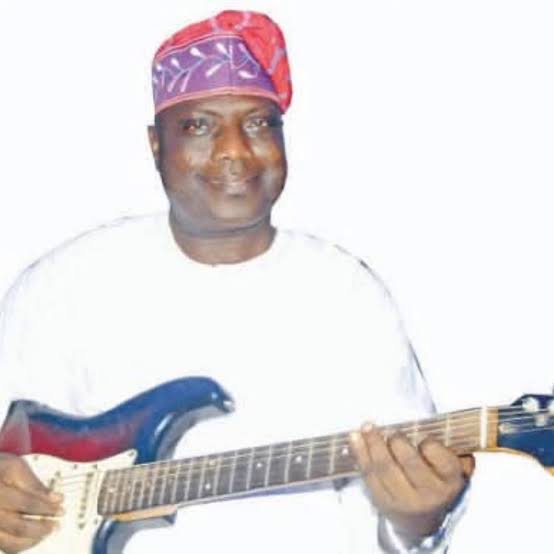
Professor Y.K. Ajao passed away on April 18, 2026. The news of his passing was first shared on the Instagram page of Sir Shina Peters, a fellow Juju icon, the cause of his death was not publicly disclosed.