
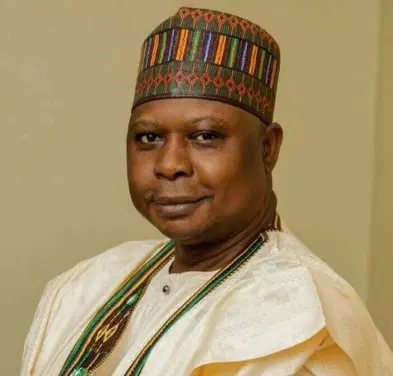
Kabiru Tanika Turaki a Senior Advocate of Nigeria (SAN), a lawyer, and a politician from Kebbi State was born on April 3, 1957.
In Nigeria’s political space, where people switch parties the way they change outfits and loyalty is priced by the highest bidder, Kabiru Tanimu Turaki is something of an anomaly. He has been in Nigerian politics since the second republic, contested the Kebbi State governorship so many times it became part of his story, aspired to the presidency of Nigeria, and through all of it, never once stopped being a lawyer first. Today, as the man at the centre of the most turbulent leadership crisis the Peoples Democratic Party has faced in recent memory, Turaki’s name is on the lips of everyone watching Nigeria’s opposition politics unravel, and somehow, remarkably, he is still standing.
Kabiru Turaki Profile
| Name | Kabiru Turaki |
| Real Name | Kabiru Tanika Turaki |
| Date of Birth | April 3, 1957 |
| State of Origin | Kebbi State |
| Tribe | Fulani |
| Nationality | Nigerian |
| Occupation | A lawyer and Politician |
| Religion | Islam |
| Marital Status | Married |
| Net Worth | $1 Million |
| Copied from | content101.com |
Educational Background
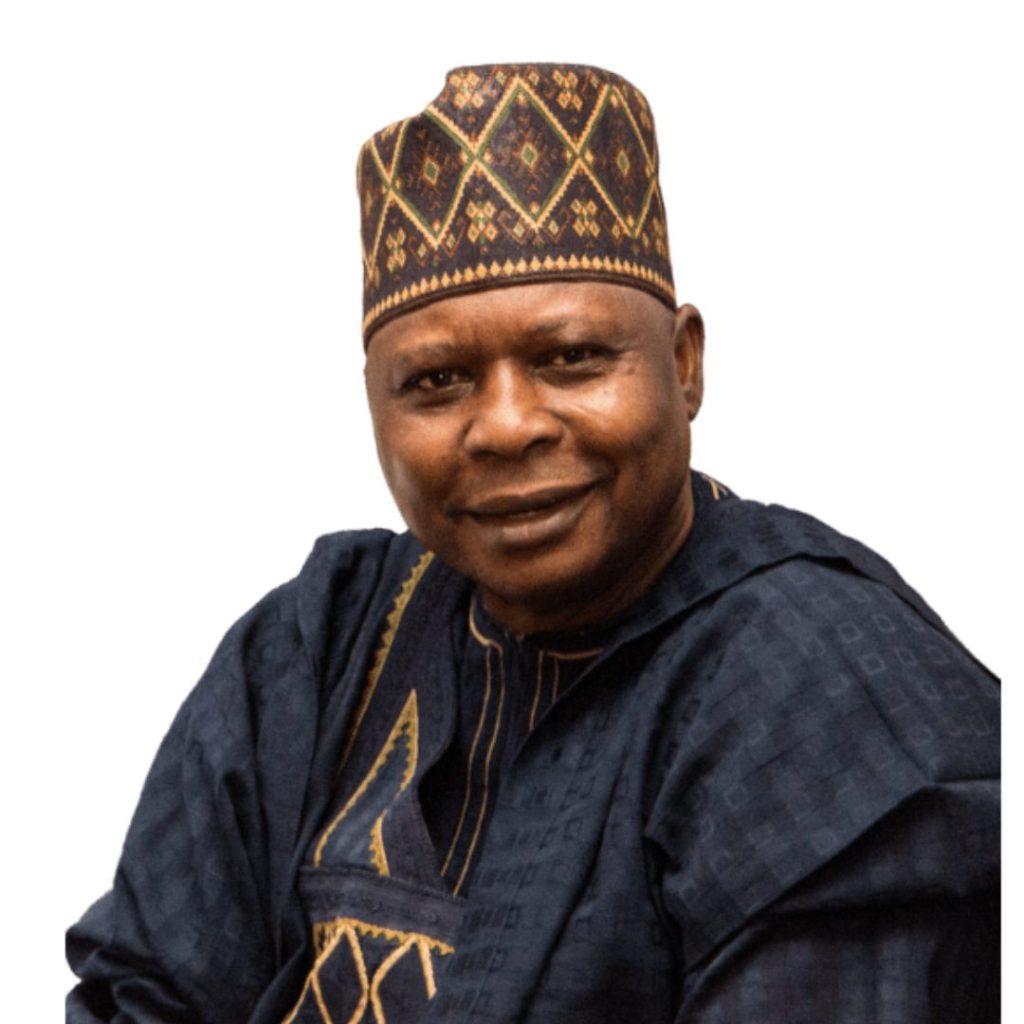
Kabiru Tanimu Turaki’s formal education began at the Quranic school, a foundation he has said shaped his character in ways that stayed with him. He attended Nassarawa Primary School, Birnin Kebbi from 1968 to 1975, and later proceeded to study Law at the University of Jos, Plateau State, graduating with his Bachelor of Laws degree.
He was called to the Nigerian Bar in 1986. He further studied Islamic Investment Structuring at the Islamic Finance Institute of Southern Africa in 2010, a detail that reflects the width of his intellectual curiosity even at the peak of his career. In 2002, he was elevated to the rank of Senior Advocate of Nigeria, making him the first indigenous lawyer from Kebbi State, and the first from the entire former North Western States, to achieve that distinction.
Career
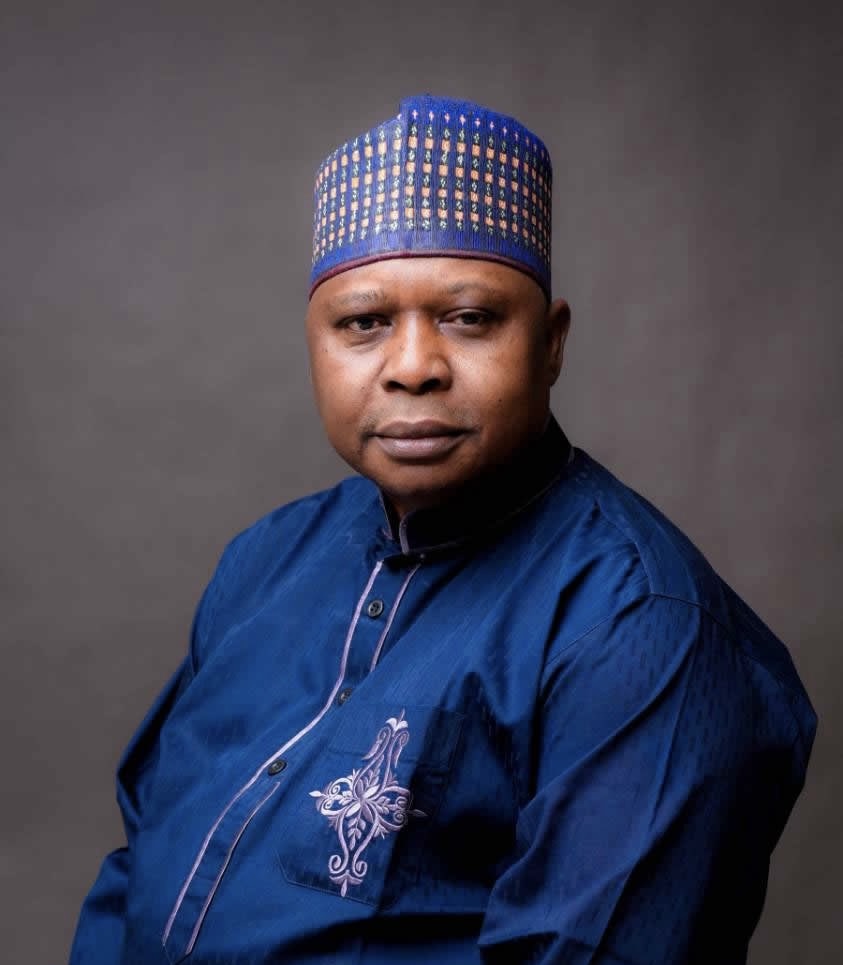
After completing his mandatory NYSC programme, Turaki joined the law firm of Alhaji Tijjani Abdullahi and Company as a counsel in 1987. He needed only two years to establish his own firm, K.T. Turaki & Co. Solicitors and Advocates, in 1989, a practice that has since grown into one of the most respected legal outfits in Northern Nigeria, serving governments, corporations, financial institutions, embassies, and international organisations.
His legal practice has taken him across virtually every court and tribunal in the country, from magistrate courts to the Supreme Court of Nigeria, including election petition tribunals, armed robbery tribunals, and failed banks tribunals. He has also served as a Notary Public appointed by the Chief Justice of Nigeria since 2002. His areas of expertise span constitutional law, election litigation, commercial arbitration, international criminal law, intellectual property, oil and gas, and corporate mergers and acquisitions, a breadth that is rare even among senior lawyers.
On the national stage, his public service career reached its peak when President Goodluck Jonathan appointed him Chairman of the Presidential Committee on Dialogue and Peaceful Resolution of Security Challenges in the North, the body widely known as the Boko Haram Committee. It was one of the most sensitive assignments any Nigerian of his generation could have been given, and Turaki handled it with the quiet seriousness that defines his public persona. Jonathan also appointed him Chairman of the Nigerian Copyright Commission in 2012, before elevating him to the Federal Executive Council in 2013 as Minister of Special Duties and Intergovernmental Affairs. He also served as Supervising Minister of Labour and Productivity from 2014 to 2015.
His political career stretches back to 1981, when he served as Secretary of the Youth Wing of the National Party of Nigeria. He has contested the Kebbi State governorship under multiple parties, including the UNCP in 1996, the APP in 1998, the UPP in 2003, and the PDP in 2007 and 2011. On each occasion, the prize eluded him, sometimes under circumstances he described as deliberate manipulation of primaries he had clearly won. He later pivoted to a presidential aspiration, seeking the PDP’s ticket in 2019 on a platform centred on national unity, economic reform, and institutional rebuilding. In late October 2025, Northern PDP stakeholders, backed by Oyo Governor Seyi Makinde, former Senate President Bukola Saraki, and other senior party figures, endorsed him as their consensus candidate for National Chairman. He formally emerged as PDP National Chairman at the party’s convention in Ibadan in November 2025.
Controversies
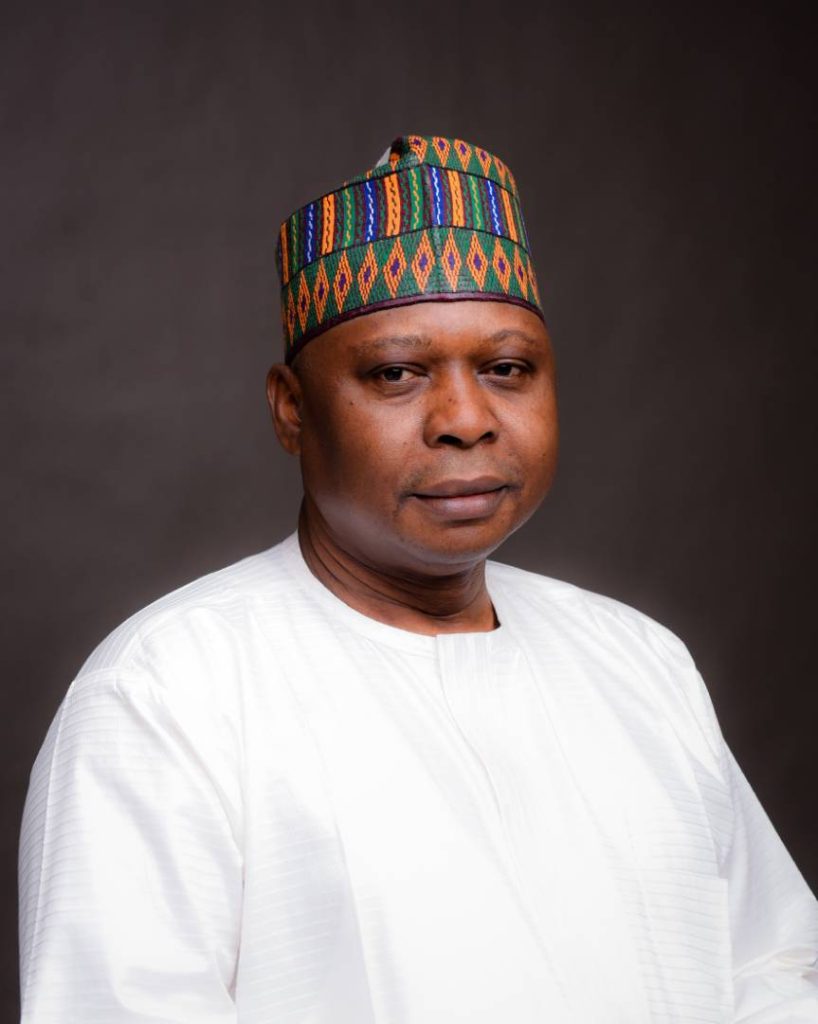
The most explosive chapter of Kabiru Turaki’s career is unfolding right now, and it involves not just his personal legal troubles, but the fate of Nigeria’s biggest opposition party.
The November 2025 PDP National Convention in Ibadan, which produced Turaki as National Chairman, was conducted despite a subsisting order of the Federal High Court restraining the party from proceeding with the exercise unless certain conditions were met. Sule Lamido, who alleged he had been denied fair participation in the process, sued to challenge the convention’s validity. The case wound its way to the Supreme Court, and on April 30, 2026, three of the five justices on the panel dismissed the Turaki-led faction’s appeal, holding that the appellants had violated a valid court order and could not therefore be heard. The ruling effectively nullified the entire Ibadan convention, stripping Turaki and all officers elected there of their legal recognition.
The Supreme Court’s ruling also simultaneously invalidated the rival March 2026 Abuja convention that had produced a competing set of PDP officers, leaving the party without a legally recognised national leadership structure for the first time in its history. The PDP Board of Trustees, led by Senator Adolphus Wabara, stepped in immediately to fill the vacuum. On May 4, 2026, just four days after the Supreme Court ruling, the Makinde-backed faction of the PDP appointed Turaki as Chairman of an interim 13-member National Working Committee, a move that deepened the already complicated split within the party. The rival PDP faction, however, publicly disowned the 103rd NEC meeting at which Turaki was appointed, describing it and its outcomes as unconstitutional.
Turaki’s legal problems run beyond the party. In March 2026, an FCT High Court issued a bench warrant for his arrest after he failed to appear to answer a one-count criminal charge filed by the Inspector-General of Police. The charge, filed in November 2025 and marked FCT/HC/CR/647/25, accuses him of giving false information to the police in a petition he lodged in October 2022. The allegation is that the information contained in his petition was deliberately false, an offence under Nigerian law. Justice Peter Kekemeke ordered his arrest after Turaki did not appear in court and offered no satisfactory explanation for his absence.
Kabiru Turaki Social Media Handle
https://www.instagram.com/kabiruturakisan?igsh=bDMybnYycDJjeXRr
Personal Life
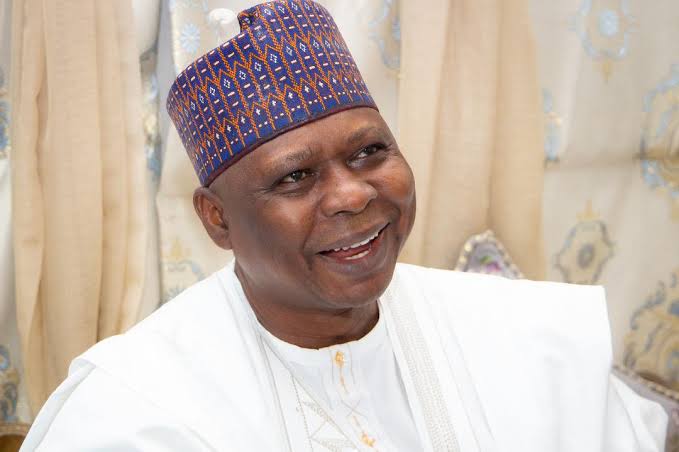
Kabiru Tanimu Turaki was born on April 3, 1957, in the Nassarawa area of Birnin Kebbi, Kebbi State, into a family with a deep tradition of scholarship and community leadership.
Kabiru Tanimu Turaki is a family man. He is married with children and grandchildren. He holds the traditional titles of Danmasanin Gwandu, conferred by the Emir of Gwandu in 2002, and Zarumman Kabi, conferred by the Argungu Emirate Council in 2012. He was also conferred with the title of Chimere Eze I of Ibagwa Nike Ezeokwe Kingdom. Outside the courtroom and the political arena, he is known to enjoy reading, travel, and basketball.
Kabiru Turaki Net Worth
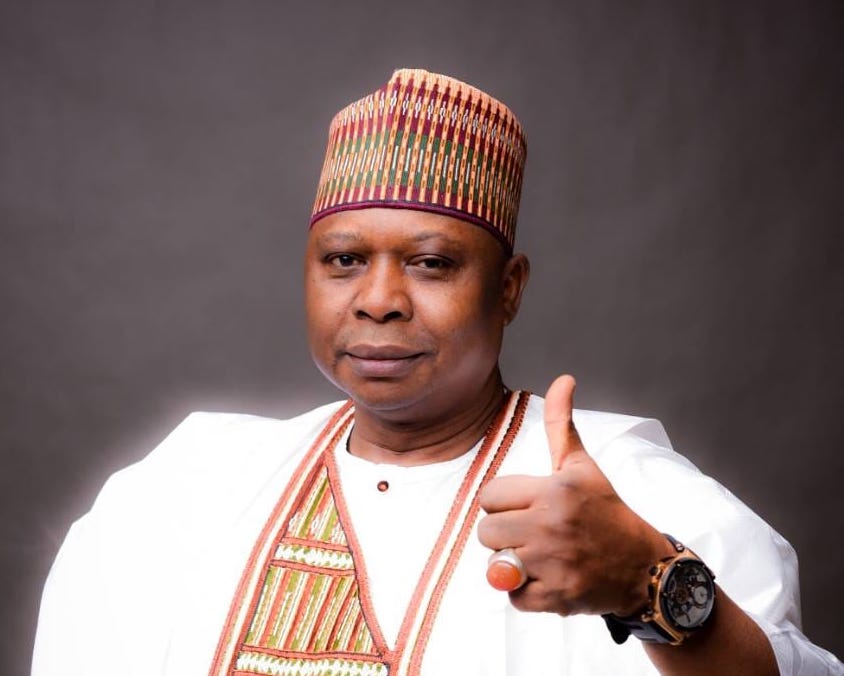
Kabiru Turaki’s net worth is estimated to be around $1 million.