
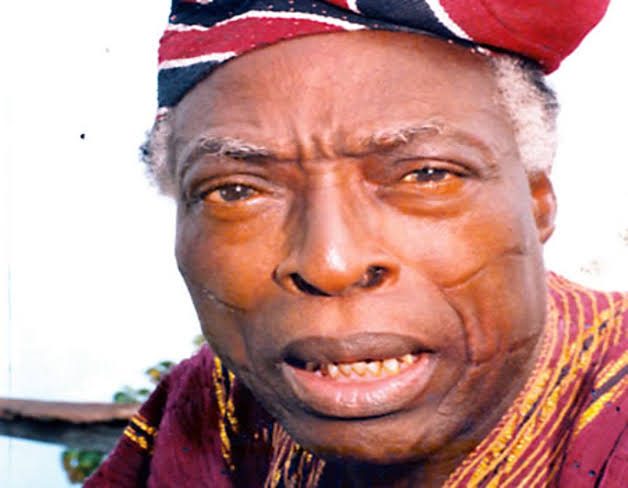
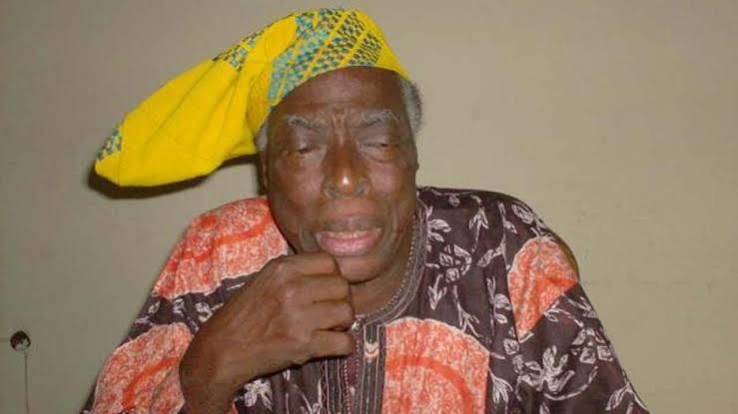
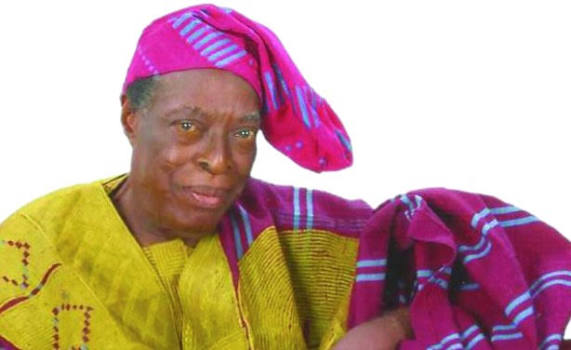
Adebayo Mosobalaje Faleti (26 December 1930-23 July 2017) was a renowned Nigerian poet, writer, journalist, broadcaster, actor, playwright, translator and filmmaker. He was one of the pioneers of Western Nigeria Television (WNTV), regarded as the first television station in Africa, and played a major role in promoting the Yoruba language and culture through literature, broadcasting and film.
ADEBAYO FALETI PROFILE
| Name | Adebayo Faleti |
| Real Name | Adebayo Mosobalaje Faleti |
| Date Of Birth | 26 December 1930 |
| Date Of Death | 23 July 2017 |
| Nationality | Nigerian |
| Occupation | Poet Writer and Journalist |
| Religion | Islam |
| Marital Status | Married |
| Net Worth | N/A |
| Copied From | Contents101.com |
ADEBAYO FALETI BIOGRAPHY
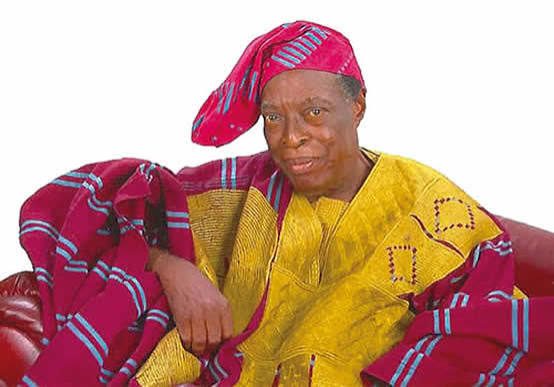
Adebayo Faleti was born in Agbo-Oye, Oyo State, and grew up around Obananko, Kuranga, in the Oyo area. He was the first son of Joseph Akanbi Faleti and the only child of his mother, Durowade Ayinke Faleti.
EDUCATIONAL BACKGROUND
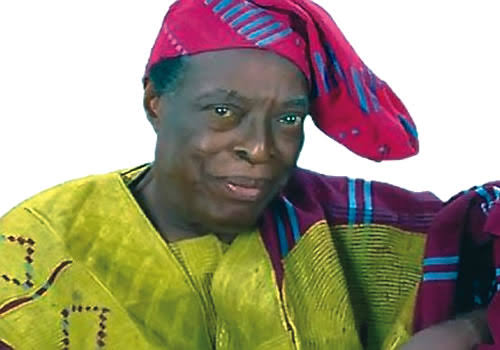
In 1966, he attended the University of Dakar in Senegal, where he obtained a certificate in French Language and Civilisation. He subsequently studied at the University of Ibadan, graduating with an honours degree in English. He also attended the Radio Netherlands Training Centre in Hilversum, Netherlands, where he obtained training and a certificate in television production in the early 1970s.
CAREER
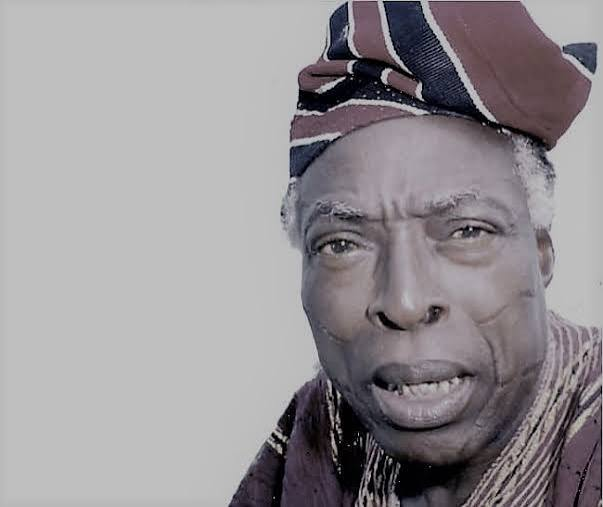
Adebayo Faleti had one of the most diverse careers in Nigeria’s cultural and media history. He worked as a poet, journalist, playwright, actor, broadcaster, translator, television producer and filmmaker.
He became one of the pioneer staff members of Western Nigeria Television (WNTV) in Ibadan, the first television station in Africa. Through his work there, he became one of the earliest prominent broadcasters to present programmes in Yoruba. His work extended beyond broadcasting. He wrote poetry and drama, worked as an actor and participated in Nigerian film productions. Some of his notable screen credits include Ija Ominira, Iwa, Afonja, Saworoide, Magun and Basorun Gaa.
One of Faleti’s most important contributions was his work in Yoruba language development and translation. He translated the Nigerian National Anthem from English into Yoruba and also translated important speeches, including those of former Nigerian leaders. He published a dictionary documenting the formal or official usage of Yoruba names. Through his writing, broadcasting and acting, Faleti helped demonstrate that Yoruba could be used effectively in literature, television, journalism and formal communication.
Faleti received several honours during his lifetime in recognition of his contribution to Nigerian culture and the arts. Among them was the national honour of Officer of the Order of the Niger (OON). He also received the Festival of Arts Award for Eda Ko L’Aropin in 1995 and the Afro-Hollywood Award for Outstanding Performance in Arts. His contribution to Yoruba literature, broadcasting and the Nigerian film industry earned him a reputation as one of the country’s important cultural figures.
CONTROVERSIES
There are no significant controversies connected to Adebayo Faleti.
PERSONAL LIFE
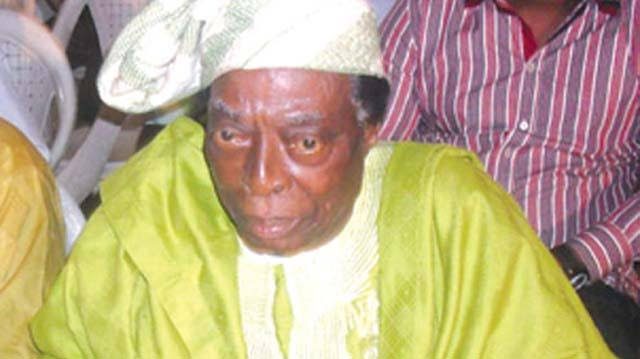
Adebayo Faleti was married to Olori Olubunmi Faleti, a former broadcaster and television host with the Nigerian Television Authority (NTA), Ibadan. He had a large family, including children, grandchildren and great-grandchildren.
ADEBAYO FALETI NET WORTH
Adebayo Faleti’s exact net worth was not publicly disclosed.
DEATH
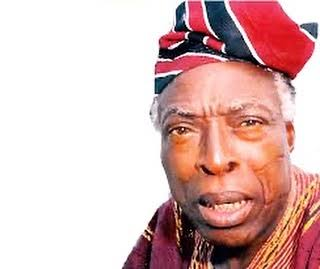
Adebayo Faleti died on 23 July 2017 at the age of 86 in Ibadan, Oyo State. Reports said he had observed his morning devotion with his family before becoming critically ill. He was taken to the University College Hospital (UCH), Ibadan, where he was confirmed dead. His death was widely mourned by Nigeria’s literary, broadcasting, theatre and film communities. He left behind a legacy as one of the pioneers who helped give Yoruba language and culture a strong voice in Nigerian media.