
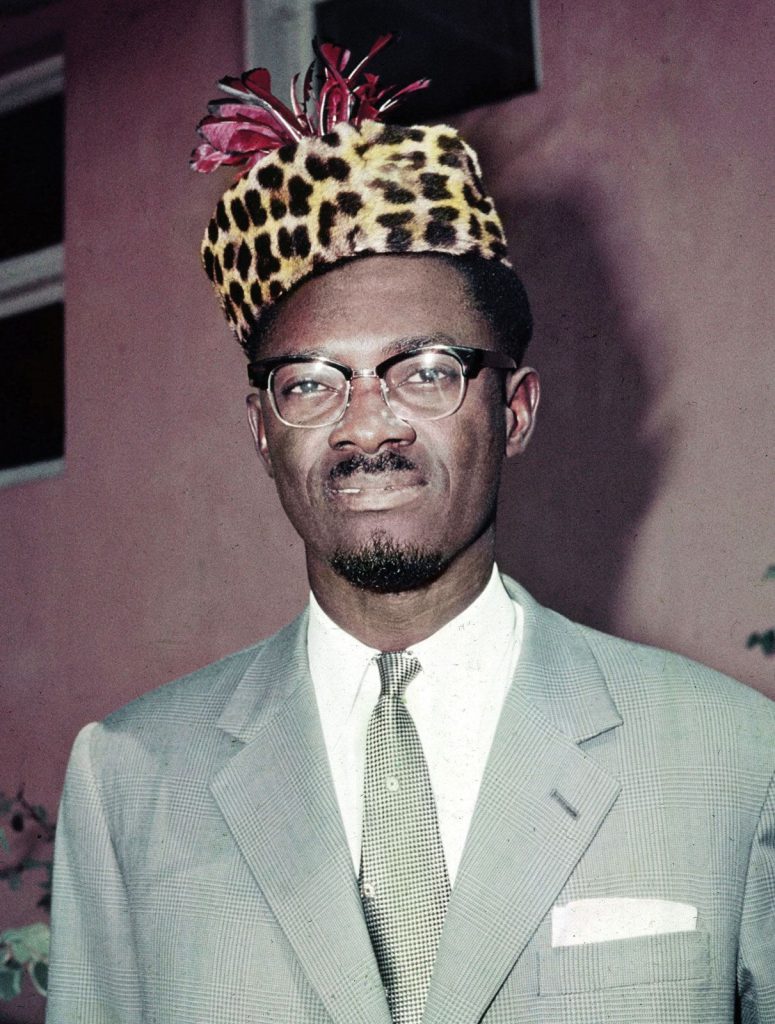
Patrice Lumumba was a Congolese political leader and independence hero, born on July 2, 1925, in the village of Onalua, in what was then the Belgian Congo. He became the first Prime Minister of the Democratic Republic of the Congo after the country gained independence in 1960. Lumumba was a strong advocate for a united Congo, free from colonial rule, and for African unity. His time in office was short, he was dismissed in September 1960 and tragically assassinated on January 17, 1961, in Katanga province.
Patrice Lumumba Profile
| Name | Patrice Lumumba |
| Real Name | Patrice Lumumba |
| Date of Birth | 2 July 1925 |
| Date of Death | 17 January 1961 (36 years) |
| Nationality | Congolese |
| Occupation | Political Leader and Independence Hero |
| Religion | Christianity |
| Marital Status | Married |
| Net Worth | $500,000 |
| Copied from | contents101.com |
Educational Background
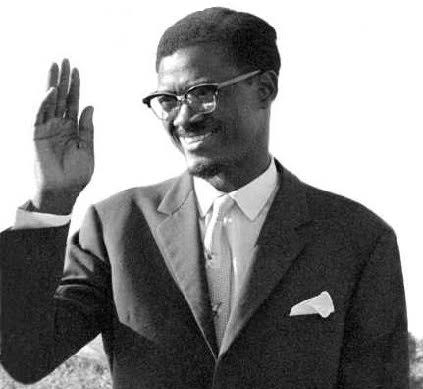
Lumumba attended a Protestant mission school during his childhood. He later moved to cities like Kindu-Port-Empain and Kinshasa, where he worked in government offices and became involved in intellectual and political circles. He also wrote essays and poems for local newspapers and studied administrative work as a postal clerk and accountant. Lumumba’s education was mostly practical, combined with his exposure to Western ideas and African nationalist thought.
Career
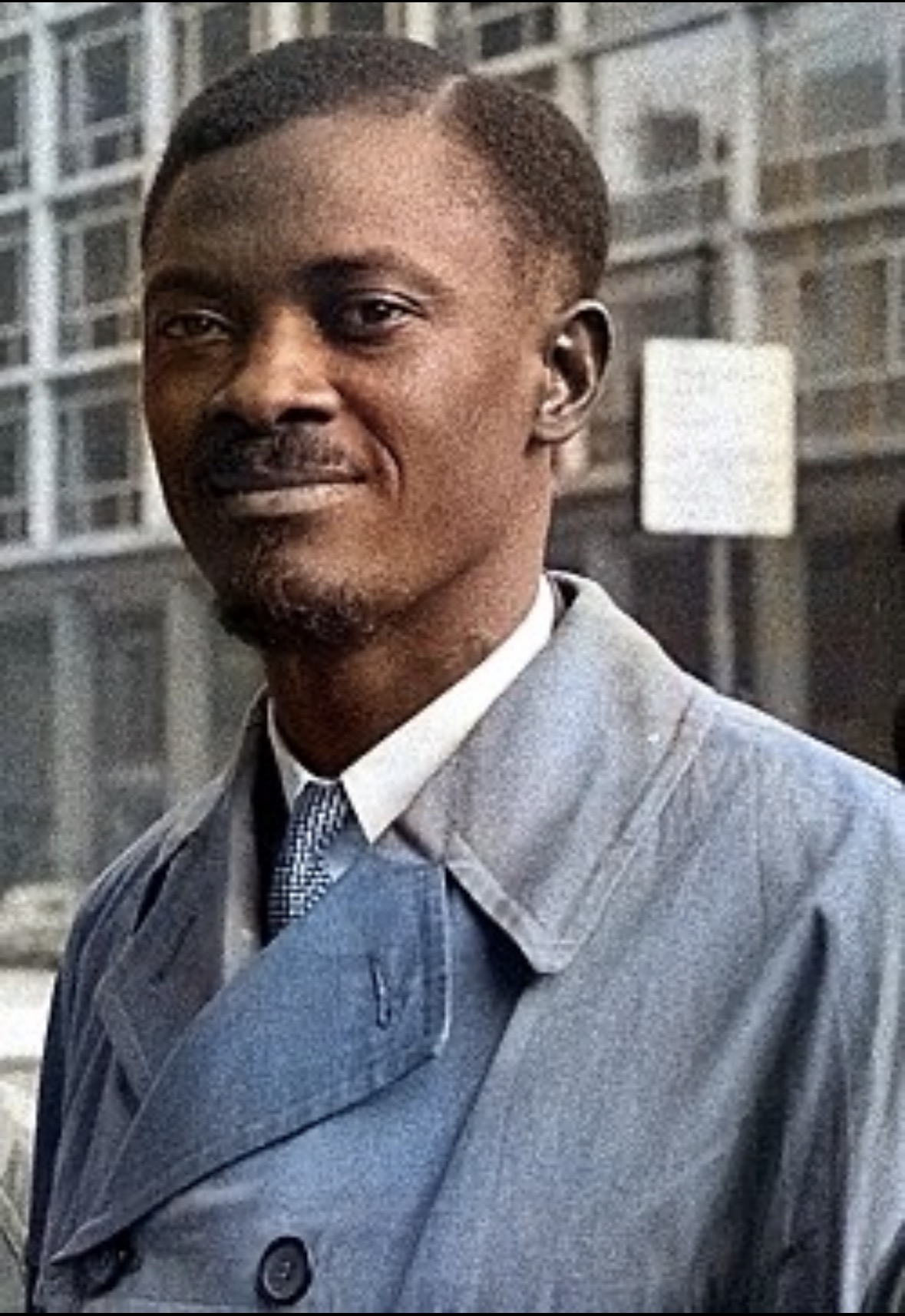
Lumumba’s career began in public service and activism. In 1955, he became the regional president of a local trade union for government workers. He joined the Belgian Liberal Party in the Congo, but soon turned toward nationalist politics.
In 1958, he helped create the Congolese National Movement (MNC), the first party that aimed to unite all Congolese people rather than focus on regional or ethnic interests. After winning the 1960 elections, he was chosen to form the first government and became Prime Minister on June 24, 1960.
During his time as Prime Minister, he faced major challenges: parts of the army rebelled, the mineral-rich province of Katanga attempted to secede under Moise Tshombe, and Belgian troops interfered. Lumumba sought help from the United Nations and later the Soviet Union to maintain Congo’s unity, which alarmed Western countries and internal rivals.
Controversies
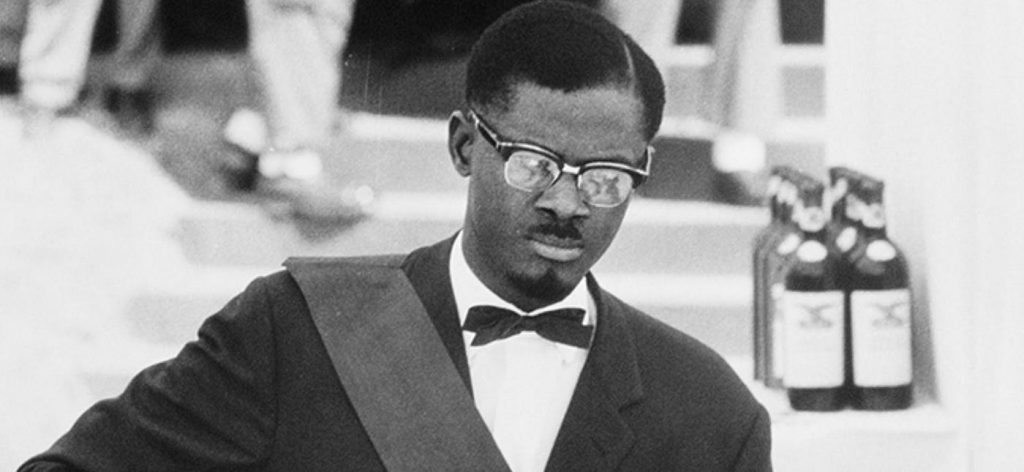
Patrice Lumumba’s short time in power was filled with tension and political conflict. Almost immediately after becoming Prime Minister, he faced a rebellion in the army and the secession of the mineral-rich province of Katanga under Moise Tshombe, which was supported by Belgian forces. His decision to appeal to the Soviet Union for assistance alarmed Western countries and many Congolese leaders, who feared that the Congo might fall under communist influence during the Cold War.
Lumumba also clashed with President Joseph Kasavubu, who dismissed him in September 1960, creating a power struggle that divided the country. His arrest, transfer to Katanga, and eventual assassination sparked international outrage and led to decades of debate about the role of Belgium, the United States, and local authorities in his death. Despite these controversies, Lumumba’s determination to defend Congo’s independence and pursue African unity made him a symbol of nationalist resistance, admired by supporters across the continent.
Personal Life
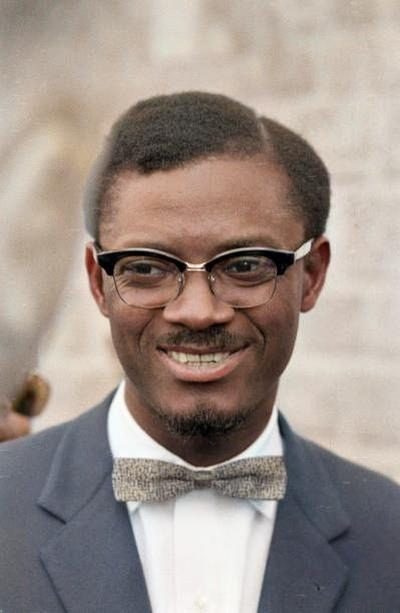
Lumumba came from the Batetela ethnic group and grew up in a rural village. He spent much of his adult life focused on politics and activism. Though details about his family life are less documented, his dedication to Congo’s independence defined his personal life.
Patrice Lumumba Net Worth
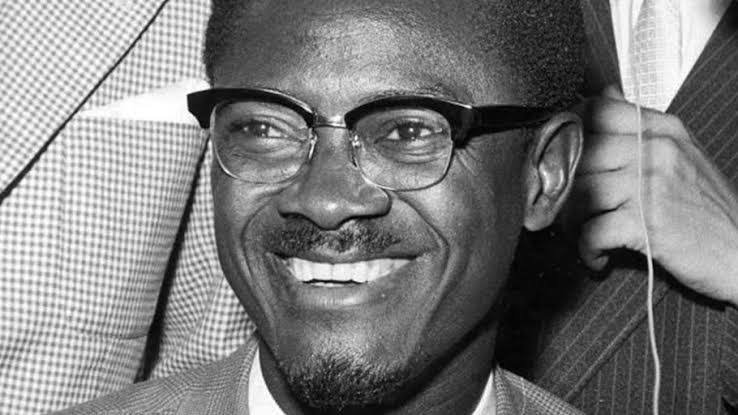
Patrice Lumumba’s personal wealth was estimated to be around $500,000 during his life time.
Death
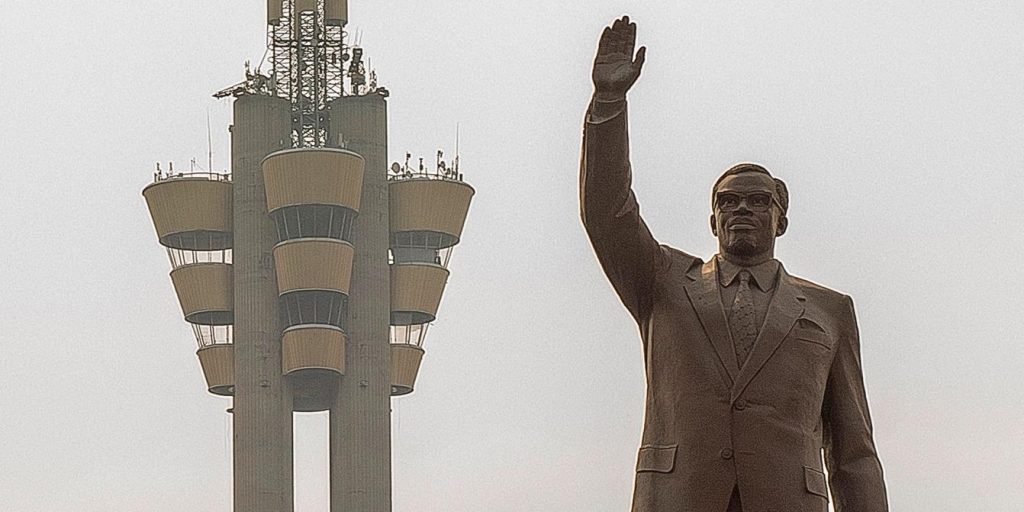
After being dismissed as Prime Minister on September 5, 1960, Lumumba was put under house arrest in Kinshasa. He later tried to escape to Kisangani, where his supporters controlled the area, but he was captured by forces loyal to Colonel Joseph Mobutu on December 2, 1960.
Lumumba was first held at a military camp in Mbanza-Ngungu, but fearing he had too much support there, authorities arranged to move him to Katanga, a province that had declared independence under Moise Tshombe.
On January 17, 1961, Lumumba and two associates, Joseph Okito and Maurice Mpolo, were executed by a firing squad under Belgian supervision in Lubumbashi. His body was later desecrated by the Katangan authorities, reportedly dissolved in acid or burned.
The official announcement of his death was delayed, and authorities falsely claimed he had been killed by villagers. It was only later that the full circumstances of his assassination became widely known. His death caused outrage across Africa and the world, and he is remembered as a martyr for Congolese independence.