
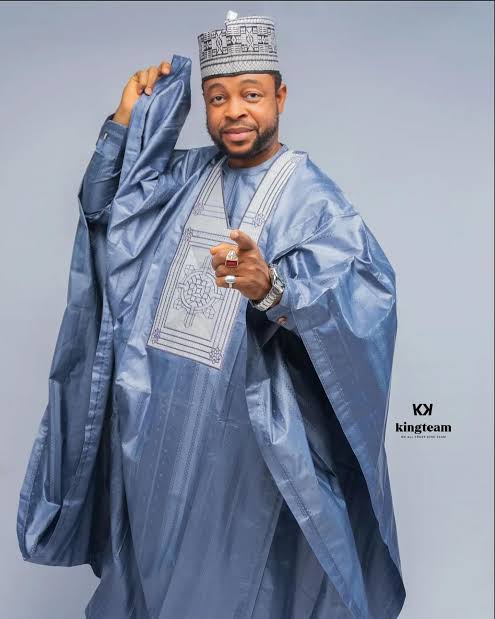
Sani Musa Abdullahi, born on April 20, 1973, in Fagge, Kano State, and known to the world as Sani Danja, is an actor, singer, producer, director, and cultural ambassador who has spent more than two decades as the undisputed king of Kannywood. He has acted in, produced, or directed over 600 films. He has performed in more than 15 countries.
He was the first African artist to appear on the back page of The Wall Street Journal. And through all of it, he has remained the most recognisable face in the northern Nigerian entertainment industry, a man so embedded in his culture that his name has become synonymous with it.
Sani Danja Profile
| Name | Sani Danja |
| Real Name | Sani Musa Abdullahi |
| Date of Birth | April 20, 1973 |
| State of Origin | Kano |
| Tribe | Hausa |
| Nationality | Nigerian |
| Occupation | An actor |
| Religion | Islam |
| Marital Status | Married |
| Net Worth | $800,000 |
| Content from | content101.com |
Educational Background
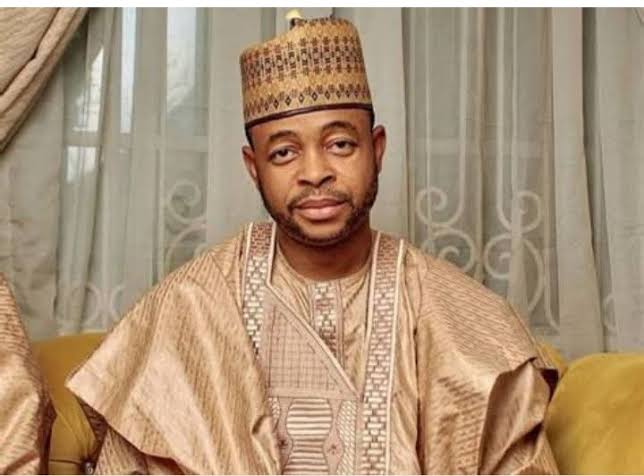
Sani Danja attended Yan Sanda Special Primary School from 1979 to 1980, before transferring to Kano Capital Primary School where he completed his primary education in 1985. He proceeded to Government Junior Secondary School Kawaji for his junior secondary education from 1985 to 1989, and then to Rumfa College for his senior secondary education from 1989 to 1991. His formal academic journey ended at secondary school level, but his real education happened on stages, in studios, and on film sets across Nigeria and beyond, beginning at the age of twelve when he joined a musical children’s group called The Young Kiddies Voice.
Career
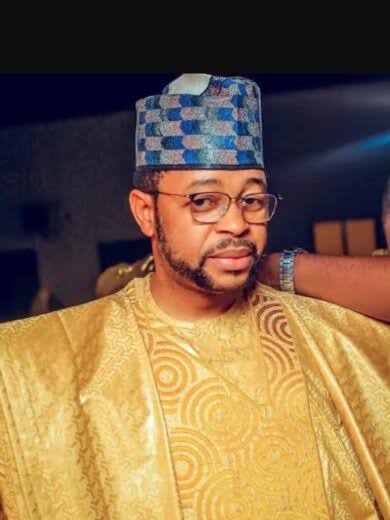
Sani Danja began his entertainment journey as a child musician, one of only two children in a group of five, and the only Muslim member of what was otherwise a Christian choir. When the group eventually disbanded because his co-singers moved into church choir work, he continued as a solo artist and released one of the best-selling Hausa songs of the early 1990s, Yaki-Taho-Yaki, establishing himself in the music world before ever setting foot on a film set.
His transition to acting came in 1999 when Alhaji Rabi’u K/Wambai encouraged him to join the Hausa film industry. He debuted in Dalibai, which translates as Students, a film he co-produced and directed alongside his business partner Yakubu Muhammad. The success of that film opened the door to a career that moved faster than anyone could have anticipated. Within a year he had appeared in Adon Kishiya, Kwarya Tabi Kwarya, and the blockbuster Wasiyya, and was sharing screens with Kannywood giants like Ali Nuhu.
He produced and directed Jan Kunne, an internationally recognised HIV/AIDS awareness film funded by USAID and supported by Family Health International, which was later adopted as resource material by over 30 countries. His production company, 2-Effets, signed a contract with the Global Health Forum for this project, and the two partners ended up featured on the back page of The Wall Street Journal, making Sani Danja the first African artist to appear in that publication in that format.
On the music side, he collaborated with Terry G on Basu Iyawa, featured on Orezi’s Hausa version of the hit Shoki, and released multiple singles that crossed over from the Northern entertainment market into national consciousness. He became a brand ambassador for Starcomms, Globacom, and the National Open University of Nigeria, with his face adorning billboards across Northern Nigeria.
His crossover into Nollywood came in 2012 with Daughter of the River, and he went on to share screens with Pete Edochie, Yul Edochie, Patience Ozokwor, and other southern Nollywood legends in films including Battle on Buka Street, Wives on Strike, Omo Ghetto: The Saga, and Wedding in Nigeria. In 2018, he was turbaned as Zakin Arewa, meaning Lion of the North, by the Etsu Nupe, Yahaya Abubaka.
In August 2017, he had earlier been conferred with the title of Zakin Arewa by the Emirate Council. In December 2024, Kano State Governor Abba Kabir Yusuf appointed him Special Adviser on Youth and Sports Development. In November 2025, he was named Coordinator for Northern Nigeria and the Diaspora under the federal government’s Youth Economic Intervention and De-Radicalization Programme, YEIDEP.
Controversies
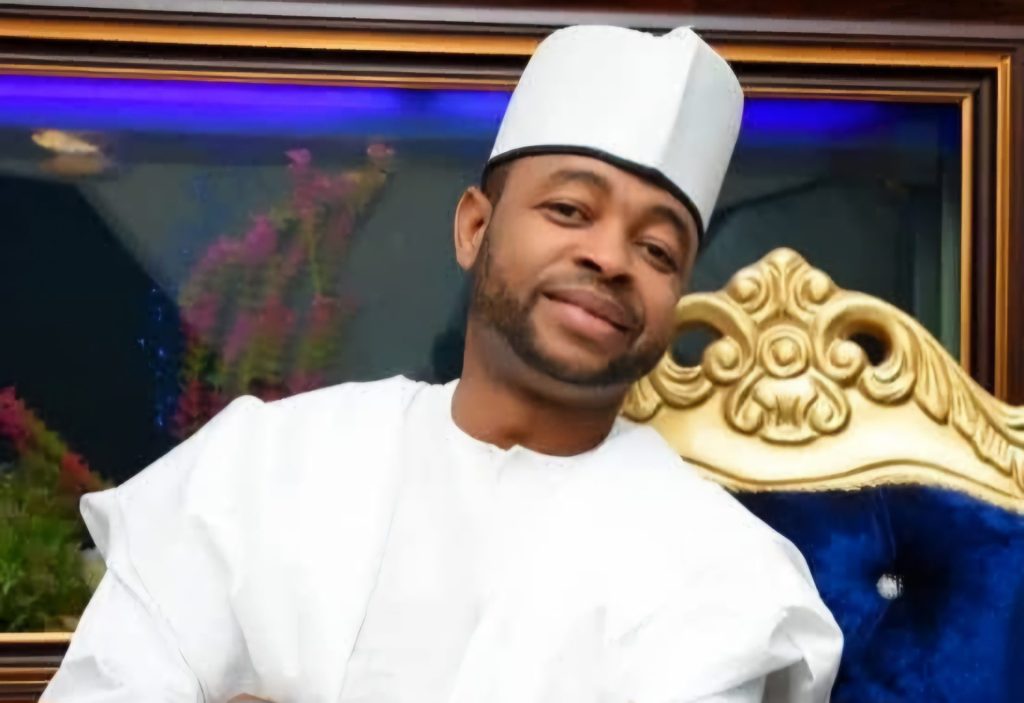
Sani Danja’s most publicly discussed controversy is the end of his 14-year marriage to fellow Kannywood star and actress Mansura Isah, a union that had produced four children and was considered one of the most stable partnerships in the northern entertainment industry.
When Mansura announced the divorce publicly on social media, she explained that she did so as a matter of Islamic principle, believing that clarity was necessary to prevent her behaviour from being misread by fans and the public. The announcement triggered an immediate wave of reactions, with fans taking sides sharply. Many rained curses on one or both of them, and the public commentary became so intense that Mansura herself admitted in interviews that she was hurt by it, saying she had hoped people would understand that the marriage had simply run its course and that neither party had done anything outside the bounds of what God permits.
Then in 2025, Mansura gave a BBC Hausa interview in which she detailed a second marriage that had ended badly, revealing she had been coerced into signing over control of a business contract worth approximately four billion naira during her wedding ceremony by a man who had proposed to her under what she described as false pretences. While the interview focused on her second marriage rather than her union with Sani Danja, it kept their shared history in public conversation and reignited interest in the circumstances of their divorce.
A separate controversy involved his daughter, Khadijatul Iman Sani Danja. In 2022, three individuals were arraigned before a Kano magistrate court and remanded in a correctional centre for allegedly creating fake social media accounts in her name on Facebook, Instagram, YouTube, and Twitter, posting illicit content, and using the accounts to defraud innocent people. The court found the matter serious enough to deny immediate bail, and the case drew significant attention both for the brazenness of the impersonation and for what it revealed about the vulnerabilities faced by children of public figures in the social media age.
Sani Danja Social Media Handle
https://www.instagram.com/realsanidanja
Personal Life
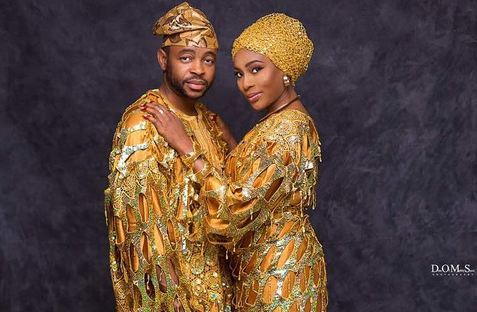
Sani Danja was born on April 20, 1973, in Fagge, Kano State, where he was raised and where his entertainment career began. He is of Hausa ethnicity and a Muslim. His 14-year marriage to actress and producer Mansura Isah produced four children: a daughter named Khadijatul Iman, who has already begun her own acting career, and three sons named Khalifah, Yakubu, and Sudais. He is the Chairman of the Guild of Artists in Northern Nigeria, a position that reflects his standing as the elder statesman of Kannywood rather than merely one of its performers.
Sani Danja Net Worth
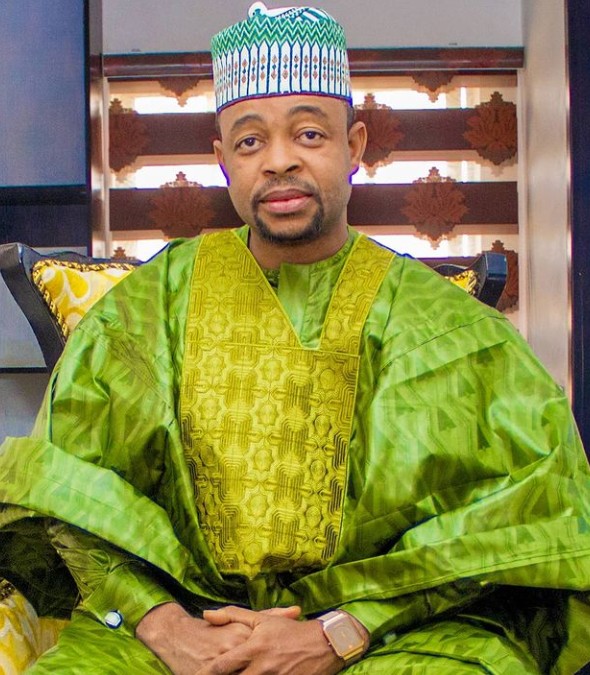
Sani Danja’s net worth is estimated to be between $800,000.