
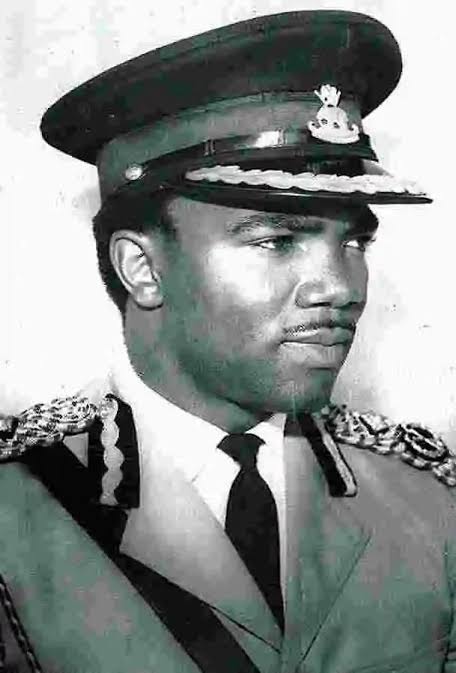
Joseph Dechi Gomwalk, born on April 13, 1935, in Kanke, Pankshin Division of Plateau Province, was a Nigerian zoologist, police officer, administrator, and the first Military Governor of Benue-Plateau State. He was a man of unusual intellectual depth and administrative calm who governed one of Nigeria’s most diverse and politically complicated states for nearly eight years, building institutions that outlasted him by decades.
He was executed on May 15, 1976, at the age of 41, following his alleged involvement in the failed coup that led to the assassination of General Murtala Mohammed, a verdict that many historians and his admirers in the Middle Belt have never fully accepted as just.
JD Gomwalk Profile
| Name | JD Gomwalk |
| Real Name | Joseph Dechi Gomwalk |
| Date of Death | May 15, 1976 |
| State of Origin | Plateau state |
| Tribe | Ngas tribe |
| Nationality | Nigerian |
| Occupation | Military Governor |
| Religion | Christianity |
| Marital Status | Married |
| Net Worth | N/A |
| Copied from | content101.com |
Educational Background
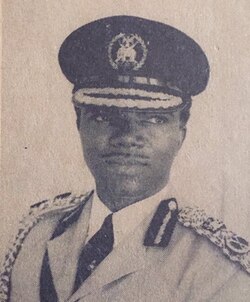
Joseph Gomwalk began his formal education at the Sudan United Mission School in Amper between 1943 and 1946, before proceeding to Boys Secondary School Gindiri, one of the most respected secondary institutions in Nigeria’s North Central region, where he excelled in both academics and athletics.
He then attended the Nigerian College of Arts, Science, and Technology between 1956 and 1958, before gaining admission to University College Ibadan, the premier university in Nigeria, where he graduated with a Bachelor of Science degree in Zoology and Parasitology in 1961, representing the university in athletics during his time there.
Career
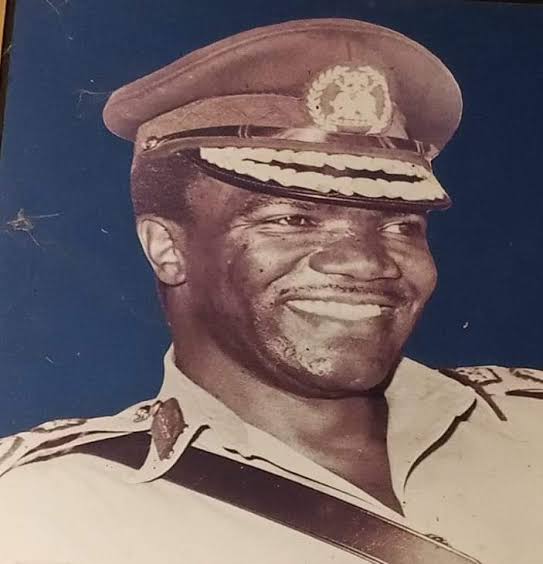
After graduating from the University of Ibadan, Gomwalk worked briefly as a research officer before transferring to the Northern Nigeria Administrative Service in 1961, where he served until 1965. A major achievement during this period was the construction, through communal labour, of the escarpment road to the Mambilla Plateau, a significant infrastructure feat that was later completed by the army.
He transferred to the Federal Administrative Service in 1965 before being moved to the police force immediately after the coup of January 1966, where his competence was quickly recognised. He was appointed Military Governor of Benue-Plateau State in 1967, a newly created state carved from the Northern Region, and served in that role until July 1975 when General Yakubu Gowon’s government was toppled in a coup.
As governor, Gomwalk was one of the most consequential administrators in the Middle Belt’s history.
He established The Nigerian Standard newspaper in 1972, which became one of the most important media voices for the region. He placed strong emphasis on education, institution building, and promoting a unified regional identity across Benue-Plateau’s many diverse ethnic groups. He was described by contemporaries as calm, deliberate, and deeply committed to the welfare of minority groups, consistently objecting to federal policies he felt marginalised the Middle Belt. He was so vocal in his advocacy for minority rights that he was sometimes described, not unkindly, as a rebel governor.
Controversies
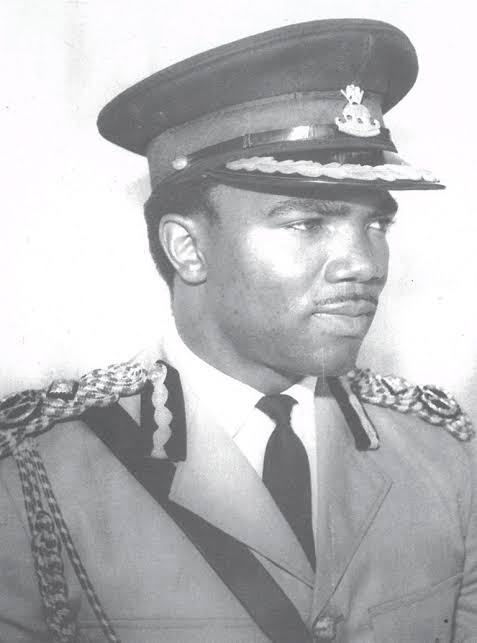
Joseph Gomwalk’s most defining and most tragic controversy is the circumstances of his death, and it has never been fully resolved in the court of history.
On February 13, 1976, a group of soldiers led by Colonel Buka Suka Dimka attempted to overthrow the government of General Murtala Mohammed. The coup failed, but not before Murtala Mohammed was assassinated. In the aftermath, a military tribunal was convened to try those alleged to be involved. Gomwalk, who had by then left office following Gowon’s own removal in 1975, was named among those connected to the plot. He was tried, convicted, and executed on May 15, 1976. He was 41 years old.
The controversy that has surrounded his execution for nearly five decades centres on whether he was genuinely involved in the coup or whether he was condemned primarily because he was Ngas, the same ethnic group as Colonel Dimka, the coup’s principal mastermind. Many historians, academics, and Middle Belt leaders have argued that the association was circumstantial rather than evidentiary, and that Gomwalk, as a former police commissioner and administrator rather than a serving military officer, would have had neither the means nor the motivation to plan or execute a coup. His supporters have consistently described him as a victim of ethnic profiling at a moment of national panic, and his legacy has only grown more celebrated across the Middle Belt in the decades since his death.
JD Gomwalk Social Media Handle
JD Gomwalk does not have any official or publicly known social media handles.
Personal Life
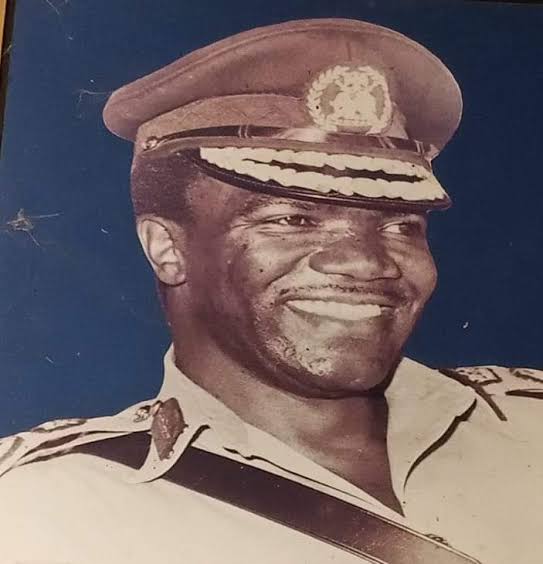
Joseph Dechi Gomwalk was born on April 13, 1935, in Kanke, Plateau State, and hailed from Ampang in the present Kanke Local Government Area. He was of the Ngas ethnic group, the same group as General Yakubu Gowon, with whom he served in leadership during one of Nigeria’s most turbulent periods. His father, Samuila Dechi Gomwalk, was a Native Authority Scribe. He was married with children.
He died on May 15, 1976, in Lagos, executed by firing squad at the age of 41. His memory has been honoured across Plateau State in road names, annual memorial lectures, and books, most notably J.D. Gomwalk: A Man of Vision by Chief Anthony Goyol, which has kept his story alive across generations.
JD Gomwalk Net Worth
JD Gomwalk’s net worth is not available to the public.