
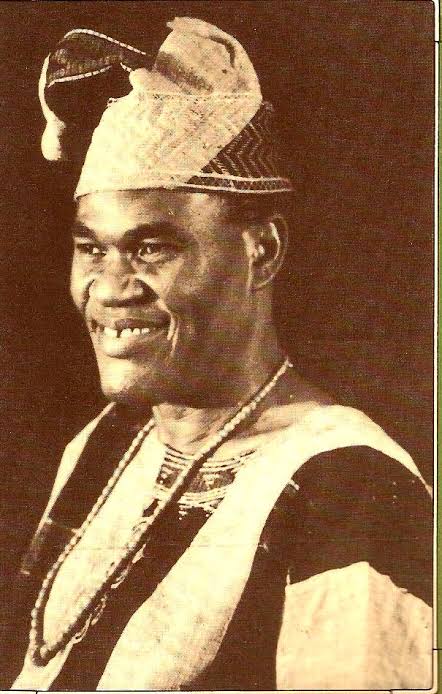
Chief Hubert Adedeji Ogunde, born on July 10, 1916, in Ososa, near Ijebu-Ode in present-day Ogun State, Nigeria, was a Nigerian playwright, actor, theatre manager, and musician who is universally regarded as the father of Nigerian theatre.
He founded the first professional theatrical company in Nigeria, wrote more than 50 plays, produced over 90 songs, and used the stage as a weapon against colonialism, political corruption, and social injustice at a time when doing so came with serious personal and professional consequences. He died on April 4, 1990, in London, England, at the age of 73, leaving behind a legacy that continues to shape Nigerian and African performing arts more than three decades later.
Hubert Ogunde Profile
| Name | Hubert Ogunde |
| Real Name | Hubert Adedeji Ogunde |
| Date of Death | April 4, 1990 |
| State of Origin | Ogun state |
| Tribe | Yoruba |
| Nationality | Nigerian |
| Occupation | Nigerian playwright and actor |
| Religion | Christianity |
| Marital Status | Married |
| Net Worth | N/A |
| Copied from | content101.com |
Educational Background
Hubert Ogunde was born to Jeremiah Deinbo Ogunde, a Baptist minister, and Eunice Owotunsan Ogunde, in a family whose strong religious and cultural influences shaped his earliest encounters with music and performance. He attended St. John’s Primary School in Ososa from 1925 to 1928, St. Peter’s School in Lagos, from 1928 to 1930, and Waisimi African Secondary School for his secondary education. After completing his schooling, he returned to St. John’s Primary School as a teacher, serving also as a church choirmaster and organist, roles that refined his musical talent before he ever contemplated a professional stage career.
Career
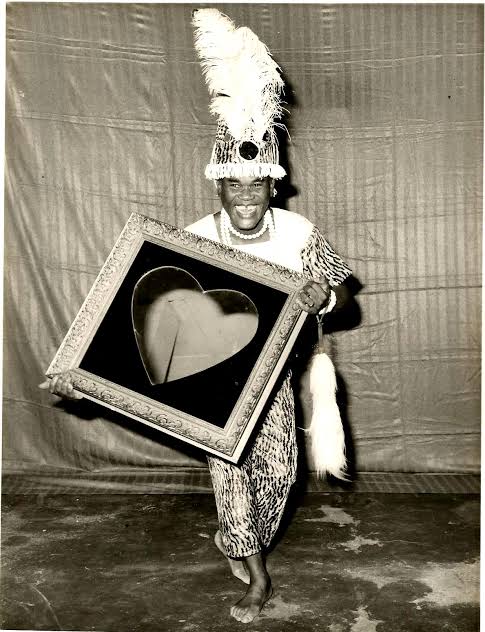
Hubert Ogunde joined the Nigerian Police Force in March 1941 and was posted to Ibadan, then to Ebute Metta in Lagos, where his involvement in church drama deepened. In 1944, while still a serving police officer, he staged The Garden of Eden and the Throne of God at Glover Memorial Hall in Lagos, a church-financed folk opera that fused biblical themes with Yoruba dance-drama and was a sensation. Encouraged by its success, he resigned from the police force in 1946 to pursue theatre full-time, a decision that was bold bordering on reckless given how little professional infrastructure existed for Nigerian theatre at the time.
He founded the African Music Research Party in 1945, later renamed the Ogunde Concert Party, and eventually the Ogunde Theatre in 1960. He toured Nigeria extensively with his travelling troupe, bringing theatre to audiences who had never set foot in a formal playhouse. His plays incorporated dramatic action, Yoruba music, dance, and politically charged storylines that held a mirror to the society he lived in.
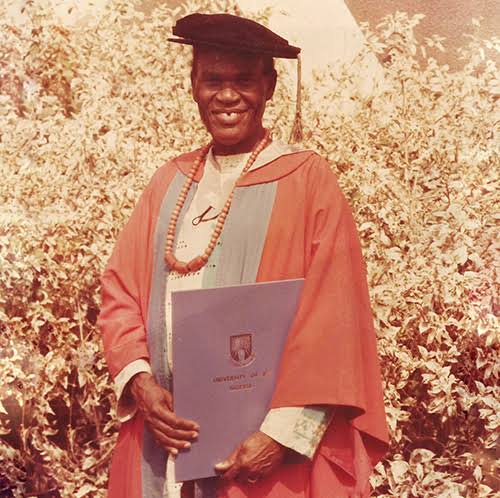
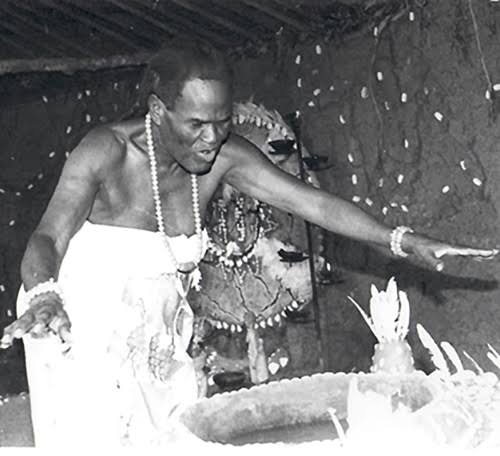
He produced some of the most politically daring works in Nigerian cultural history, using his stage to comment on colonialism in Tiger’s Empire, labour exploitation in Strike and Hunger, and national political life in Yoruba Ronu. He was awarded honorary doctorates by the University of Ife and the University of Lagos, and the Hubert Ogunde Living History Museum in Ososa now preserves his costumes, props, and creative materials.
Controversies
Hubert Ogunde’s most significant controversy was the 1964 banning of his theatre company from the Western Region of Nigeria following the staging of Yoruba Ronu, a play that directly criticised Chief Samuel Akintola, then Premier of the Western Region, and his political allies. The play, whose title translates as Yoruba, Think, accused Akintola’s faction of betraying the Yoruba people’s political interests. Akintola was incensed.
His government banned the Ogunde Theatre from performing anywhere in the Western Region, a sanction that lasted two years before being revoked by the incoming military government of Lieutenant Colonel F.A. Fajuyi in 1966. Rather than breaking Ogunde, the ban only enhanced his reputation as an artist of conscience willing to accept personal and professional cost in defence of his convictions.
He also faced police harassment in northern Nigeria for the political content of Worse than Crime and Tiger’s Empire, encounters that followed rather than deterred him.
He also released Adeshewa, one of his most emotionally raw musical albums, following the tragic death in a road accident of his wife and co-star, turning personal grief into art in a way that endeared him further to Nigerian audiences.
Hubert Ogunde Social Media Handle
Hubert Ogunde does not have any official or publicly known social media handles.
Personal Life
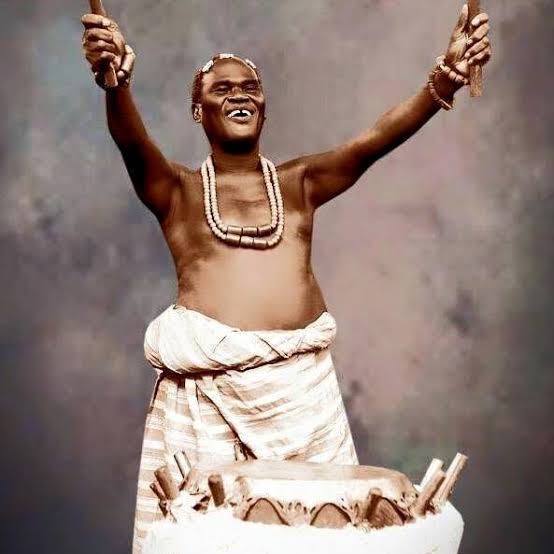
Chief Hubert Adedeji Ogunde was born on July 10, 1916, in Ososa, Ogun State, and grew up in a household shaped by his father’s Baptist ministry and a deep immersion in Yoruba cultural tradition. He was married to more than ten wives, several of whom performed as actresses in his theatre company, and fathered 17 children. His personal and professional lives were deeply intertwined, with his family forming the core of his travelling theatre troupe. He died on April 4, 1990, in London, England, where he had travelled for medical treatment. He was 73 years old.
Hubert Ogunde Net Worth
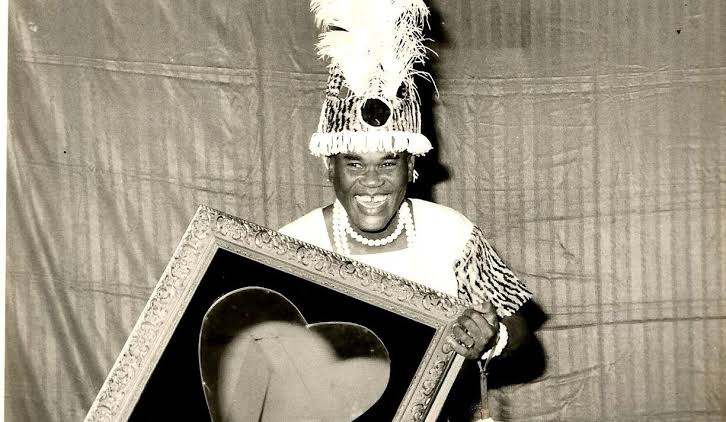
Hubert Ogunde’s net worth at the time of his death was not available to the public.