
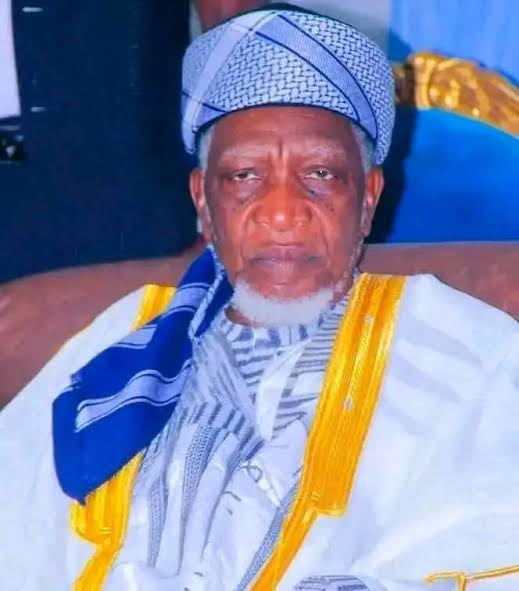
Sheikh Muhammad Sani Yahaya Jingir, born on January 7, 1950, in Gurum Town, Bassa Local Government Area of Plateau State, Nigeria, is a prominent Nigerian Islamic scholar, Maliki jurist, and National Chairman of the Council of Ulama of the Jama’atu Izalatil Bid’ah Wa’ikamatis Sunnah, widely known as JIBWIS.
He is 76 years old and is currently at the centre of the most explosive religious controversy in Nigeria in 2026, triggered by remarks he made at a political gathering in Kano that have drawn condemnation from Christian leaders, human rights bodies, political figures, and even fellow Islamic scholars.
Sani Yahaya Jingir Profile
| Name | Sani Yahaya Jingir |
| Real Name | Sheikh Muhammad Sani Yahaya Jingir |
| Date of Birth | January 7, 1950 |
| State of Origin | Plateau State |
| Tribe | Fulani |
| Nationality | Nigerian |
| Occupation | A prominent Nigerian Islamic scholar |
| Religion | Islam |
| Marital Status | Married |
| Net Worth | N/A |
| Copied from | content101.com |
Educational Background
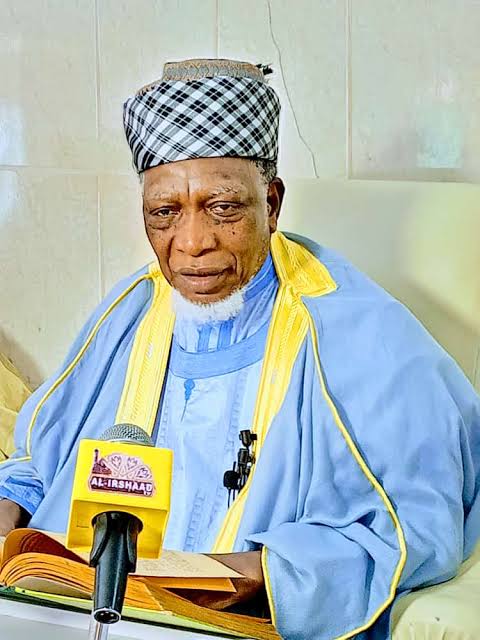
Sheikh Jingir studied Fiqh, Islamic jurisprudence, and Tafsir, Quranic exegesis, training under respected figures such as Sheikh Abubakar Mahmoud Gumi and Sheikh Isma’ila Idris. His scholarly formation was influenced by the Maliki school of jurisprudence within the Sunni Islamic tradition. His education took place entirely within the traditional Islamic scholarship system of Northern Nigeria rather than in formal secular academic institutions.
Career
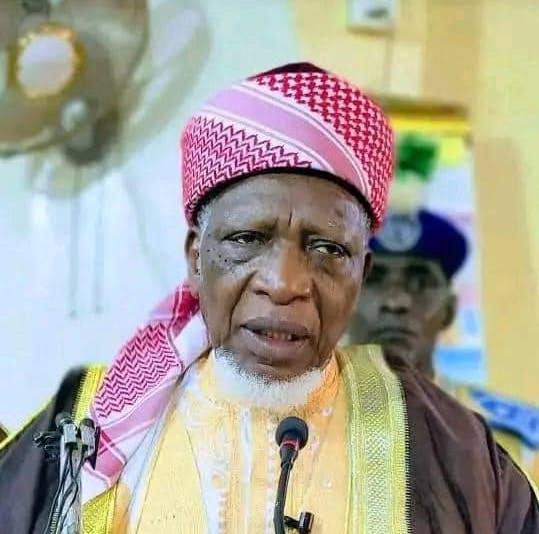
Sheikh Jingir is a renowned Islamic cleric and the National Chairman of the Ulama Council of JIBWIS in Jos. He is well known for delivering annual Ramadan tafsir sessions in Jos and for his teachings on the concept of Boko Halal, advocating for permissible modern education aligned with Islamic principles. He has authored Islamic works including Jangen, Nduren, and Ndumen.
He has been the predecessor of Sheikh Isma’ila Idris and has influenced an entire generation of Islamic scholars and community leaders across Northern Nigeria. On May 25, 2015, he was elected chairman of the Council of Ulama of JIBWIS following the death of its previous chairman, Sheikh Zakariyya Balarabe Dawud, cementing his position as one of the most influential Islamic voices in Nigeria.
Controversies
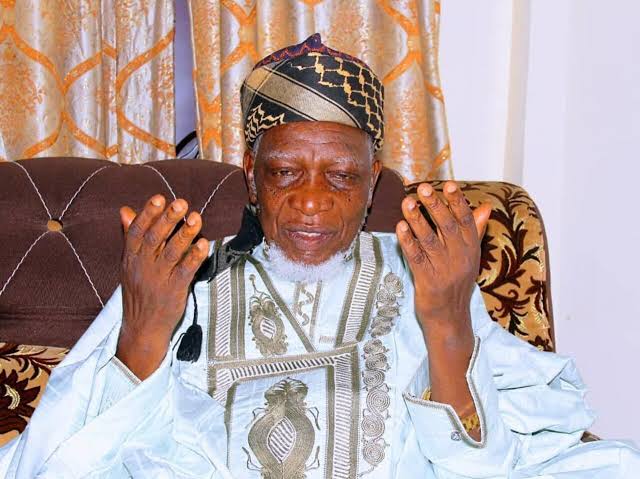
Sheikh Sani Yahaya Jingir’s most explosive and most current controversy erupted in late July 2026 at a mass wedding ceremony organised by Kano State Governor Abba Kabir Yusuf, and is still generating national headlines as of today, August 12, 2026.
In a video that spread widely online, the cleric declared that Nigeria is an Islamic state, argued that the Muslim-Muslim presidential ticket was a permanent reality, and alleged that Christians were responsible for a mosque bombing in Kano that killed several people.
He also reportedly referred to people of other faiths as infidels and urged his supporters to obtain their Permanent Voter Cards to “show their limit,” language that multiple observers described as a direct call for religious bloc voting ahead of the 2027 elections.
The backlash was immediate and came from all directions. On the positive side, supporters within the Muslim community have defended Jingir, arguing that he was exercising his legitimate right as a religious leader to encourage civic participation among Muslims, and that his theological descriptions of non-Muslims reflect standard classical Islamic terminology rather than a call for violence. Some Muslim scholars and commentators pointed out that his comments were being interpreted in the most uncharitable possible way by political opponents looking to damage both him and the Muslim-Muslim ticket conversation.
On the negative side, the condemnations have been sweeping. Prophet Isa El-Buba publicly fired back at Jingir for calling Christians infidels, saying the remarks were unacceptable and irresponsible. TEKAN and ECWA youths described his statement as dangerous religious bigotry capable of inflaming an already fragile national environment, called on him to publicly retract and apologise, and urged the DSS and Nigeria Police to investigate. Senator Rabiu Musa Kwankwaso condemned the remarks as dangerous to national unity, saying the people of Kano did not support or endorse what he described as the cleric’s divisive statements. Femi Fani-Kayode also publicly condemned the remarks. The National Human Rights Commission called for the immediate arrest and prosecution of Sheikh Jingir, with its Executive Secretary Chief Tony Ojukwu describing the remarks as hate speech and incitement to religious hatred and potential violence.
Jingir initially distanced JIBWIS from his call for a Muslim-Muslim ticket, saying it was his personal view alone. However, in a subsequent BBC Hausa interview monitored by Vanguard, he said he had no regret over his statement, insisting his position was not politically motivated but based on his responsibility as a Muslim, and that he would continue to support and encourage the Muslim-Muslim ticket regardless of criticism.
This is not Jingir’s first controversy. During the COVID-19 lockdown in 2020, he initially dismissed the virus as a conspiracy against Islam and continued congregational prayers despite lockdown orders, leading to a clash with the Plateau State government. He later reversed his stance and complied with restrictions.
Sani Yahaya Jingir Social Media
Handle
Sani Yahaya Jingir does not have any official or publicly known social media handles.
Personal Life
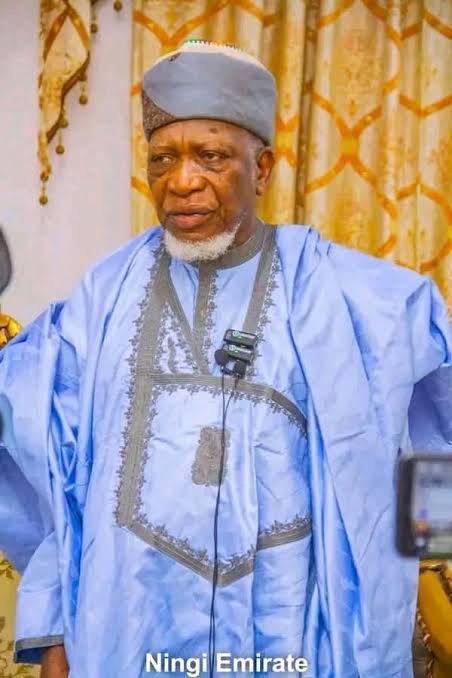
Sheikh Muhammad Sani Yahaya Jingir was born on January 7, 1950, in Gurum Town, Bassa Local Government Area of Plateau State, Nigeria, into a Fulani Muslim family. He is 76 years old and has spent his entire life in Northern Nigeria, building his scholarly reputation from Jos outward across the country. He is widely respected within JIBWIS and the broader Islamic community in Nigeria as a man of deep learning, though his political interventions have repeatedly placed him at the centre of national controversy.
Sani Yahaya Jingir Net Worth
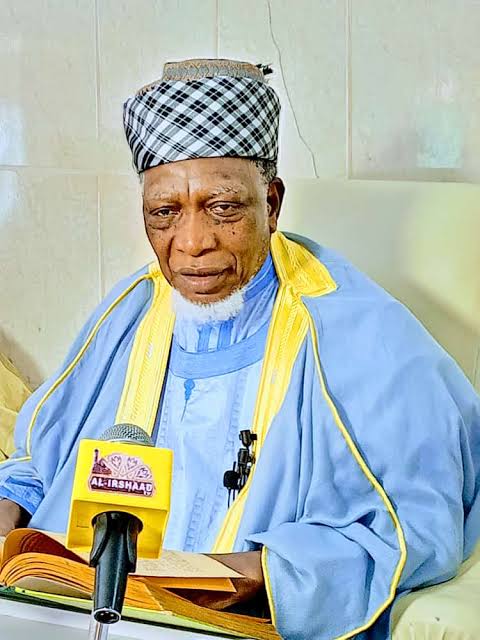
Sheikh Sani Yahaya Jingir’s net worth is not available to the public.