
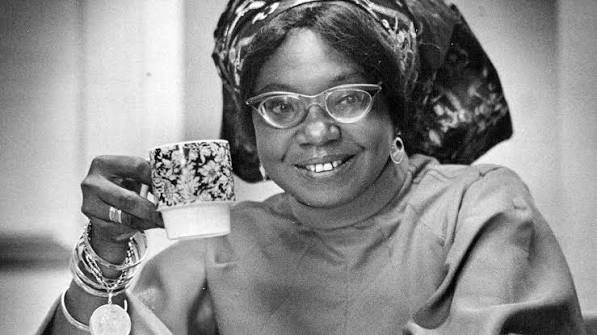
Flora Nwanzuruahu Nkiru Nwapa, (13 January 1931-16 October 1993), was a pioneering Nigerian novelist, poet, publisher, educator and public administrator. Born in Oguta, present-day Imo State, she was recognised after the publication of her debut novel, Efuru, in 1966. She is widely regarded as the first African woman to have a novel published internationally in English and was an important figure in the development of African women’s literature.
FLORA NWAPA PROFILE
| Name | Flora Nwapa |
| Real Name | Flora Nwanzuruahu Nkiru Nwapa |
| Date Of Birth | 13 January 1931 |
| Date Of Death | 16 October 1993 |
| State Of Origin | Imo State |
| Nationality | Nigerian |
| Occupation | Novelist, Poet and Public Administrator |
| Religion | Christian |
| Marital Status | Married |
| Net Worth | N/A |
| Copied From | Contents101.com |
FLORA NWAPA BIOGRAPHY
Flora Nwapa was born on January 13, 1931, in Oguta, Nigeria, and was the eldest of six children of Christopher Ijeoma Nwapa and Martha Onyenma Nwapa. Her father worked in business while her mother was a teacher. Nwapa grew up in an environment that encouraged education and remained strongly connected to her Igbo heritage and the traditions of Oguta.
EDUCATIONAL BACKGROUND
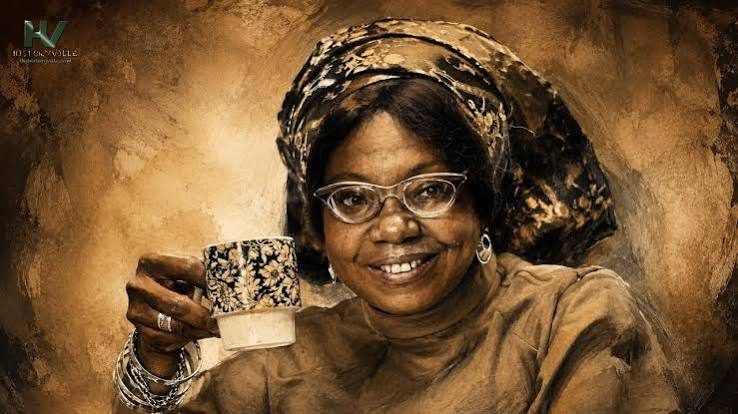
Nwapa attended schools in Oguta, Elelenwo and Lagos, including CMS Girls School and Queen’s College, Lagos. She proceeded to University College, Ibadan, where she earned a Bachelor of Arts degree in 1957. She subsequently travelled to Scotland and obtained a Diploma in Education from the University of Edinburgh in 1958.
CAREER
After returning to Nigeria, Nwapa began her career in education, working as an Education Officer in Calabar before teaching English and Geography at Queen’s School, Enugu. She later joined the University of Lagos, where she worked as an administrator and eventually became an Assistant Registrar.
Her literary career took off in 1966 with the publication of Efuru by Heinemann in London. The novel, which centres on an Igbo woman navigating marriage, motherhood, independence and social expectations, established Nwapa as a major literary voice.
She went on to publish works including Idu (1970), This Is Lagos and Other Stories (1971), Never Again (1975), One Is Enough (1981), Women Are Different (1986), and children’s literature. Her writing frequently explored women’s independence, marriage, motherhood, tradition and changing Nigerian society.
Nwapa also had a career in public service. After the Nigerian Civil War, she served in the government of East Central State, including as Commissioner for Health and Social Welfare and later Commissioner for Lands, Survey and Urban Development. Among the projects associated with her tenure was the development of the Oguta Lake area.
In 1976, she founded Tana Press, one of the pioneering African publishing companies established by a woman. She later established Flora Nwapa Books, using publishing to promote children’s literature and encourage more African women to write and publish. Her contributions to literature and publishing earned her honours including the Officer of the Order of the Niger (OON) in 1982 and the University of Ife Merit Award for Authorship and Publishing in 1985.
CONTROVERSIES
There are no major personal controversies prominently documented about Flora Nwapa.
PERSONAL LIFE
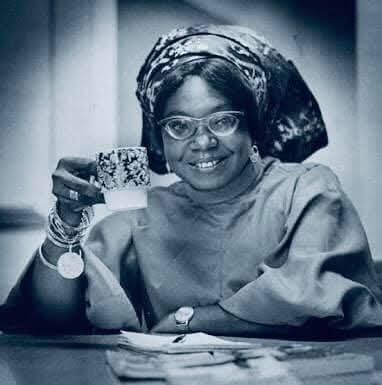
Flora Nwapa married Chief Gogo Nwakuche, an industrialist, in 1967. They had three children: Ejine, Uzoma and Amede. Beyond writing, Nwapa was involved in education, publishing and public service. She also served as a visiting lecturer and professor and participated in literary activities in Nigeria and abroad.
FLORA NWAPA NET WORTH
Flora Nwapa’s exact net worth was not publicly documented.
DEATH
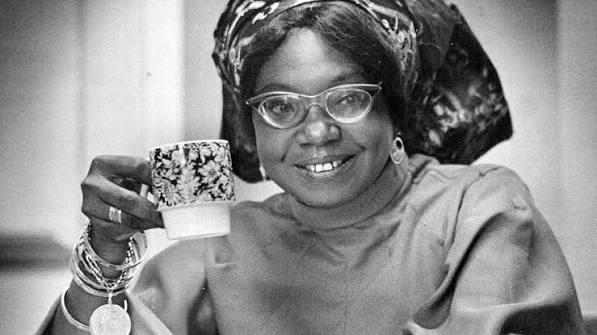
Flora Nwapa died on October 16, 1993, at the University of Nigeria Teaching Hospital in Enugu, at the age of 62. Reports state that she died from pneumonia. Her final novel, The Lake Goddess, was published posthumously.